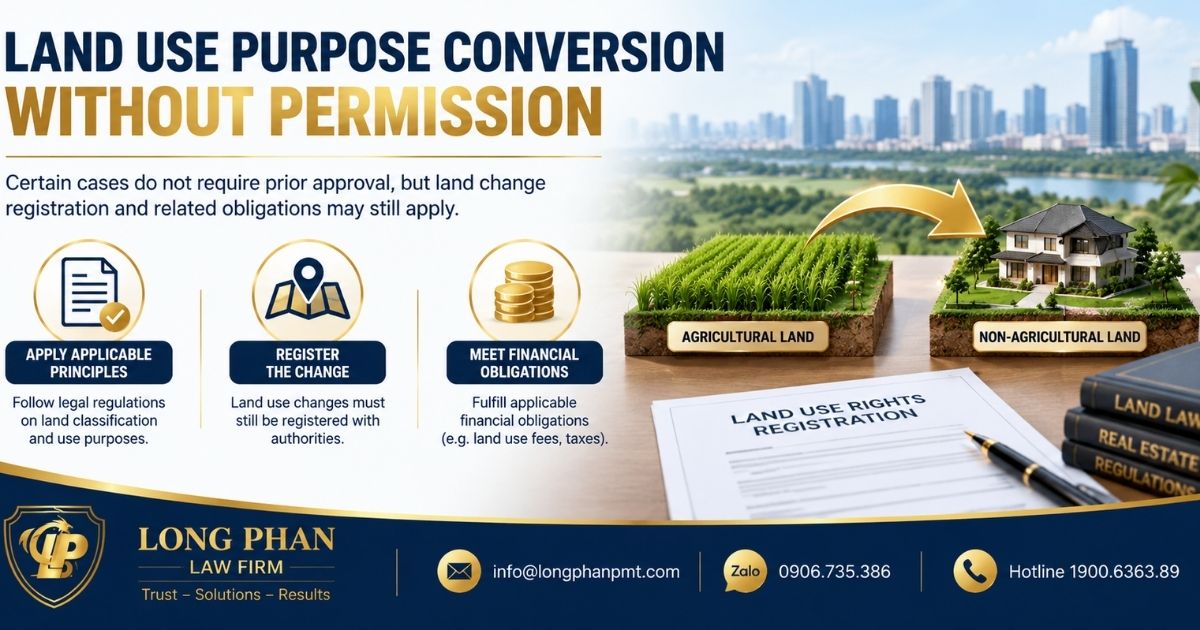

The subject that the overseas Vietnamese purchase agricultural land in Vietnam has gained significant attention. The Land Law 2024 expands the land use rights for Vietnamese citizens residing abroad, creating opportunities for them to enter the domestic real estate market. This analysis details the conditions, procedures, and risks associated with these transactions.

The ability for an overseas Vietnamese to purchase agricultural land depends on their citizenship status. The specific rights are detailed below.
Individuals of Vietnamese origin who no longer hold Vietnamese citizenship cannot directly purchase agricultural land in a personal capacity. Under Article 28 of the Land Law 2024, this group is not permitted to receive transfers of agricultural or production land use rights. Furthermore, Article 44 of the Land Law 2024 grants them ownership of residential housing attached to residential land but does not extend this right to agricultural land.
The sole method for this group to acquire agricultural land is through a legal entity. An individual may establish a foreign-invested enterprise (FIE) in Vietnam or contribute capital with domestic relatives to a company that can then receive the transfer of agricultural land use rights.
Note: If an individual in this category inherits agricultural or business production land, under Article 37 and Article 44 of the Land Law 2024, they will not be granted a Certificate of Land Use Rights. They are entitled only to the monetary value of the land, which must be transferred to an eligible person.
The amended Land Law 2024 broadens the land acquisition rights for overseas Vietnamese who are also citizens of Vietnam. According to Article 4, Clause 3 of the Land Law 2024, these citizens have the full rights and obligations regarding land use, equivalent to domestic citizens.
Consequently, these individuals can directly participate in real estate transactions, including the purchase of agricultural land, without limitation on their right to conduct transfers. This policy change facilitates direct investment in real estate by overseas Vietnamese who hold a Vietnamese passport.
>>> See more at: Land Types for Overseas Vietnamese.
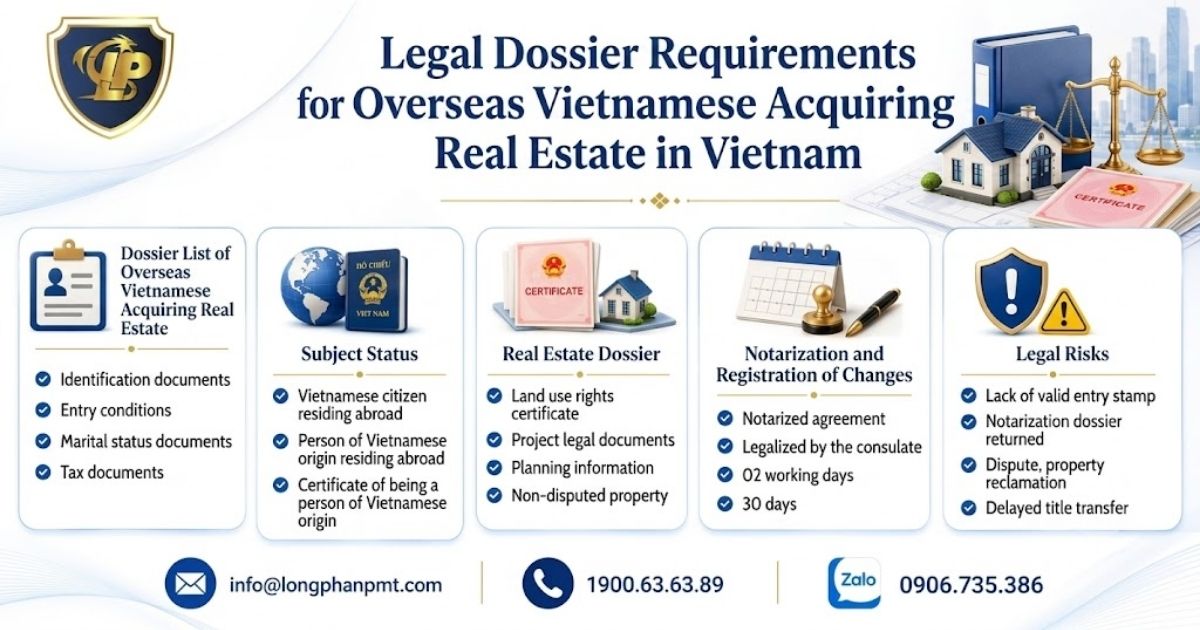
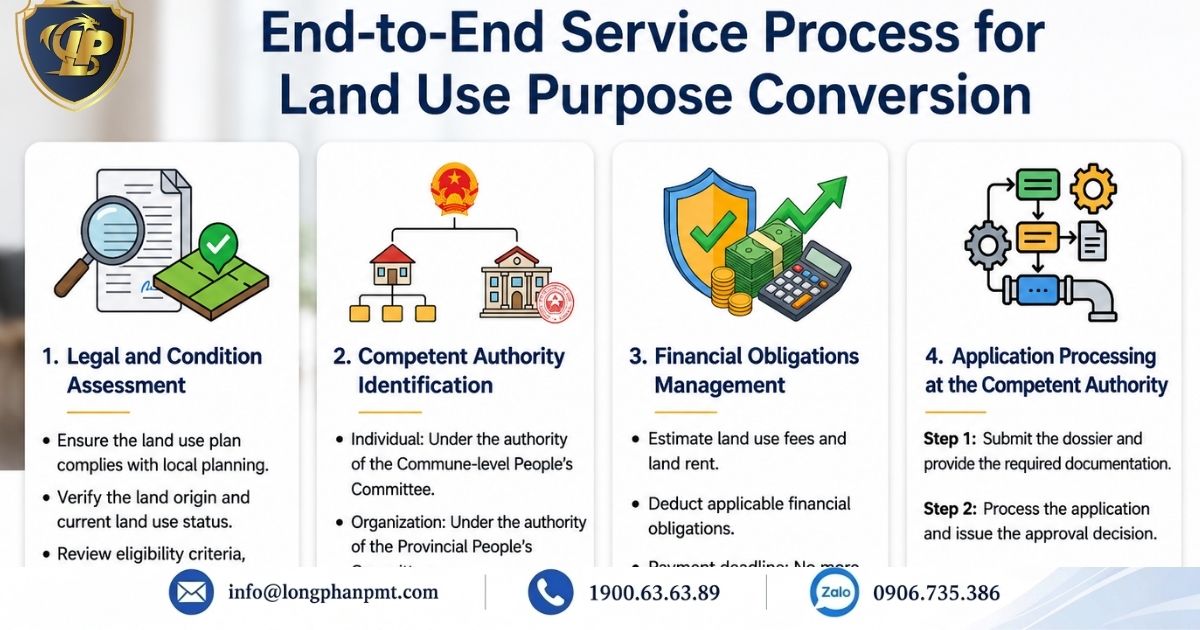
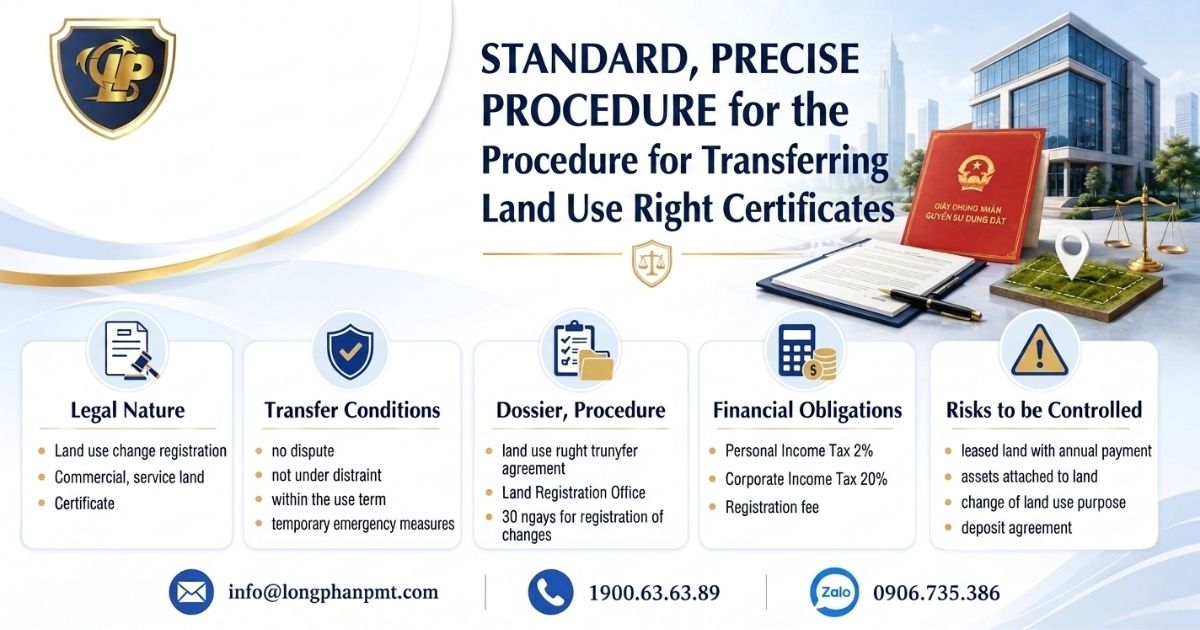
To legally purchase agricultural land in Vietnam, an overseas Vietnamese must meet all legal requirements to ensure the transaction is valid and their land use rights are recognized.
Strict adherence to these conditions regarding identity, valid documentation, land eligibility, and acreage limits is necessary for an overseas Vietnamese to legally acquire and use agricultural land.

>>> See more at: A Guide to Property Authorization for Overseas Vietnamese in Vietnam.
The procedure for an overseas Vietnamese to purchase agricultural land involves several legally mandated steps. Buyers must first confirm their eligibility and ensure they meet all conditions.
Required Documentation:
Execution Steps:
Understanding each step, from verifying conditions to registering the land change, ensures a smooth transaction, mitigates legal risk, and secures the buyer’s rights.
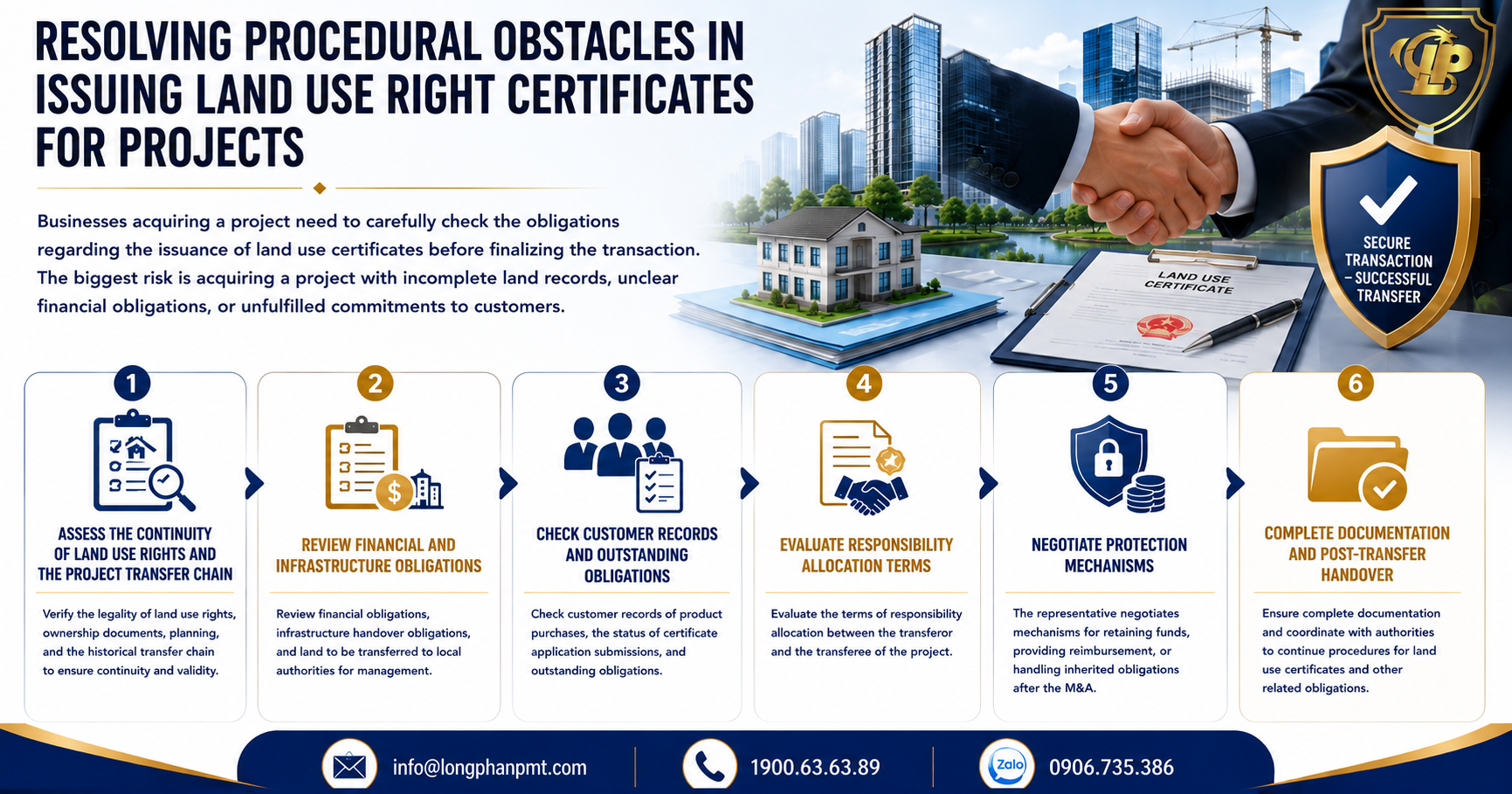
An overseas Vietnamese purchase of agricultural land in Vietnam carries legal, financial, and social risks. Without a clear understanding of the law and market, investors can face significant challenges.
Failure to grasp legal regulations and market realities can lead to severe consequences, including land disputes, loss of land due to rezoning, or financial damage from ineffective investment.

>>> See more at: Vietnam Property Fees for Overseas Vietnamese.
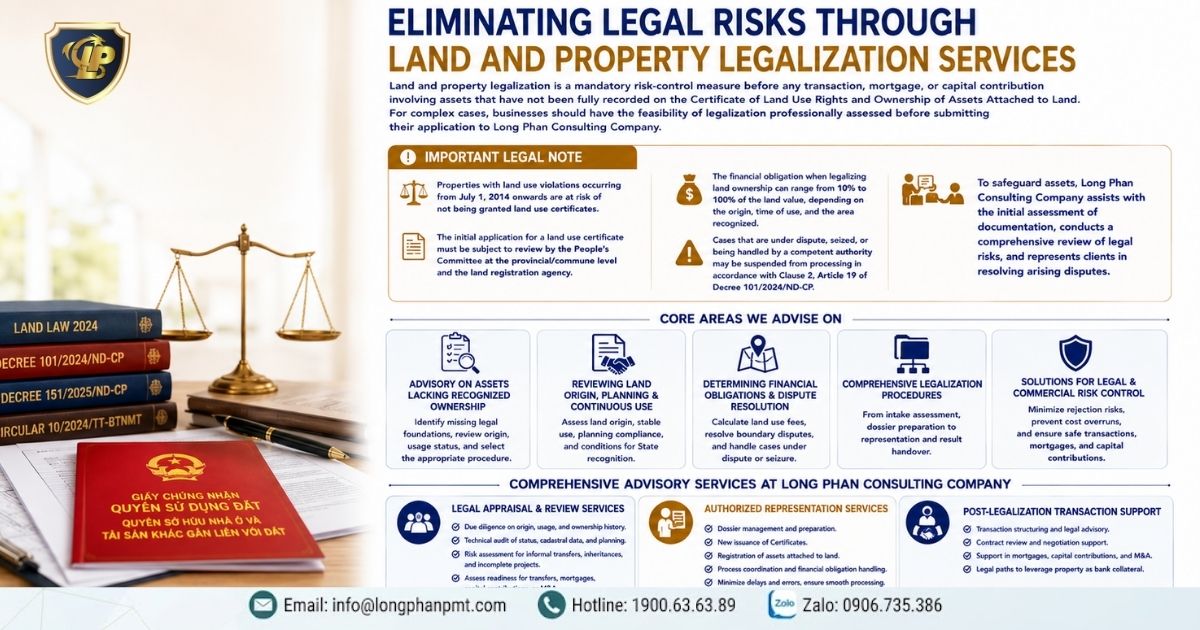
Long Phan Consulting Company provides expert advisory services on the conditions and procedures for an overseas Vietnamese purchase of agricultural land. Our experienced specialists understand the latest legal framework, including the Land Law 2024 and its implementing regulations.
Our services include:
Long Phan Consulting Company is committed to providing accurate, timely, and confidential advisory services. We offer not only legal counsel but also practical market insights to help you make informed investment decisions.
The key difference is citizenship. An overseas Vietnamese who retains Vietnamese citizenship generally has rights similar to a domestic citizen to purchase agricultural land. In contrast, an individual of Vietnamese origin without citizenship faces stricter limitations and typically cannot purchase agricultural land directly.
Yes, they can inherit agricultural land. However, they are generally not granted a Certificate of Land Use Rights for it. Instead, they are entitled to the monetary value of the inherited land and must transfer the use rights to an eligible individual or entity (as per Article 44, Clause 2, Point b of the Land Law 2024).
The “Certificate of Land Use Rights” (also known as a “red book” or “pink book”) is the official document recognizing the legal land use right of an individual or organization. It is critical as it serves as proof of legal title and is a prerequisite for any valid land transfer, ensuring the land is free of legal encumbrances (as per Article 3, Clause 21 of the Land Law 2024).
Yes, limitations exist. An individual overseas Vietnamese citizen can receive agricultural land use rights via transfer up to a maximum of 15 times the allocation limit for each land type as defined by the Land Law 2024 (Article 177, Clause 1).
In addition to a valid Vietnamese passport with an entry stamp, the National ID cards of both the buyer and seller are required during the transaction process, as mandated by government regulations.
The primary method is to establish a company in Vietnam as a foreign investor or to enter into a joint venture or capital contribution arrangement with a Vietnamese citizen or entity that is eligible to purchase the land.
Overseas Vietnamese planning to purchase agricultural land in Vietnam must understand the legal regulations and follow correct procedures to protect their rights. The Land Law 2024 offers new advantages for Vietnamese citizens residing abroad, yet the regulatory landscape remains complex. For detailed guidance on the conditions and procedures for purchasing agricultural land, please contact Long Phan Consulting Company via hotline 1900.63.63.89 for professional support.