
The overseas Vietnamese homeownership term is a critical factor for ensuring long-term rights and stability during investment and settlement in Vietnam. Understanding this term helps overseas Vietnamese make decisions aligned with their needs and goals. It also minimizes risks related to ownership rights. This article provides essential information that overseas Vietnamese must know, including renewal procedures to ensure continuous ownership.

Vietnamese people residing abroad can own housing in Vietnam with a stable and long-term tenure under the Law on Housing 2023. The overseas Vietnamese homeownership term is not restricted like that for foreign nationals. Overseas Vietnamese have the same housing ownership rights as Vietnamese citizens, subject to conditions specified in Article 8 of the Law on Housing 2023 and Article 45 of the Law on Land 2024.
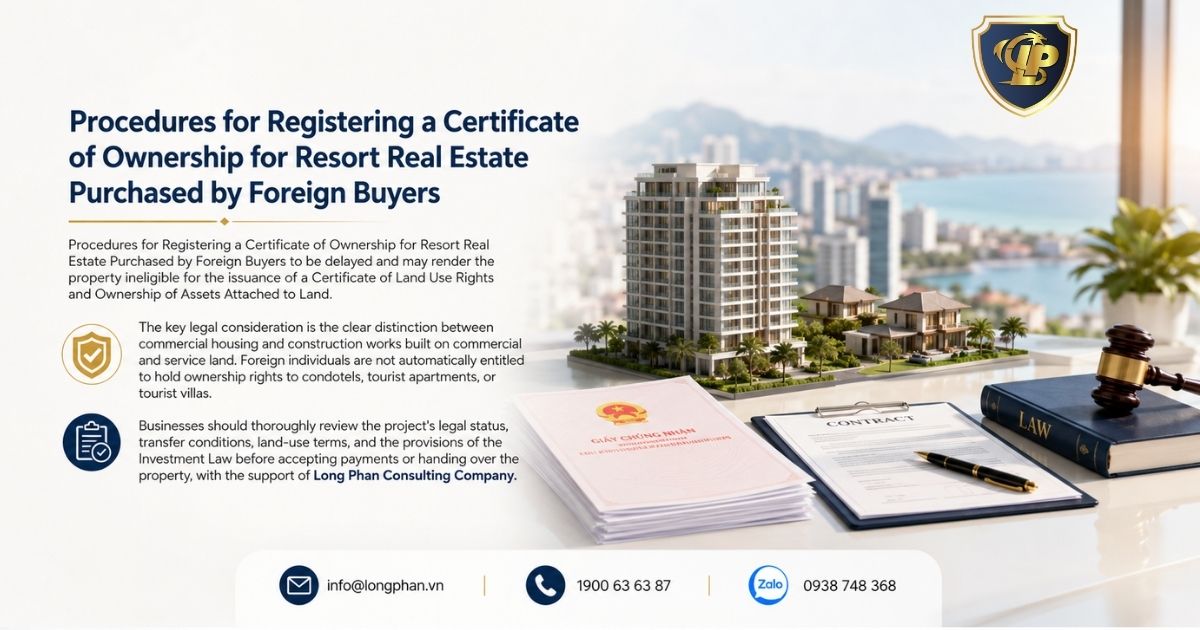
In contrast, foreign individuals and organizations face limitations. They can only own up to 30% of the apartments in a condominium building. For individual houses, including villas and terraced houses, they can own no more than 250 units in an area with a population equivalent to a ward.
This policy facilitates real estate investment for overseas Vietnamese in their homeland without concerns about short-term ownership. This right is secured by the Certificate of Land Use Rights, Ownership of Housing and Other Assets Attached to Land, issued by a competent authority.
The special status of Vietnamese people residing abroad under the Law on Nationality 2008 guarantees the overseas Vietnamese homeownership term. According to Article 13 of this law, Vietnamese people residing abroad who have not lost their Vietnamese nationality are still considered Vietnamese citizens. They enjoy corresponding rights in real estate ownership.
Overseas Vietnamese need documents proving their Vietnamese nationality, such as a Vietnamese passport or citizen ID card, to conduct housing transactions. In the absence of these documents, papers issued by a Vietnamese diplomatic mission abroad can be used to prove their status.
>>> See more at: Conditions for overseas Vietnamese to buy property in Vietnam.
Overseas Vietnamese must understand the difference between the house ownership term and the land use term. The overseas Vietnamese homeownership term can be affected by a project’s land use term.
Condominiums: For condominiums, the ownership duration depends on the project’s land use term, typically 50 or 70 years. Article 58 of the Law on Housing 2023 does not specify an ownership term for condominiums but rather a usage term. When a condominium’s usage term expires due to structural degradation, the housing value ceases, but the land use right value remains. Owners receive compensation according to regulations. Overseas Vietnamese owning condominium units must monitor the project’s land use term and perform renewal procedures when necessary.
Landed Property (Houses and Land): According to Clause 2, Article 20 of the Law on Housing 2023, foreign individuals (persons of Vietnamese origin who no longer hold Vietnamese nationality) can own housing for a term not exceeding 50 years, with one extension of up to 50 years. The ownership term must be on the Certificate. If a foreign individual marries a Vietnamese citizen residing in Vietnam, they obtain the same ownership rights as a citizen.
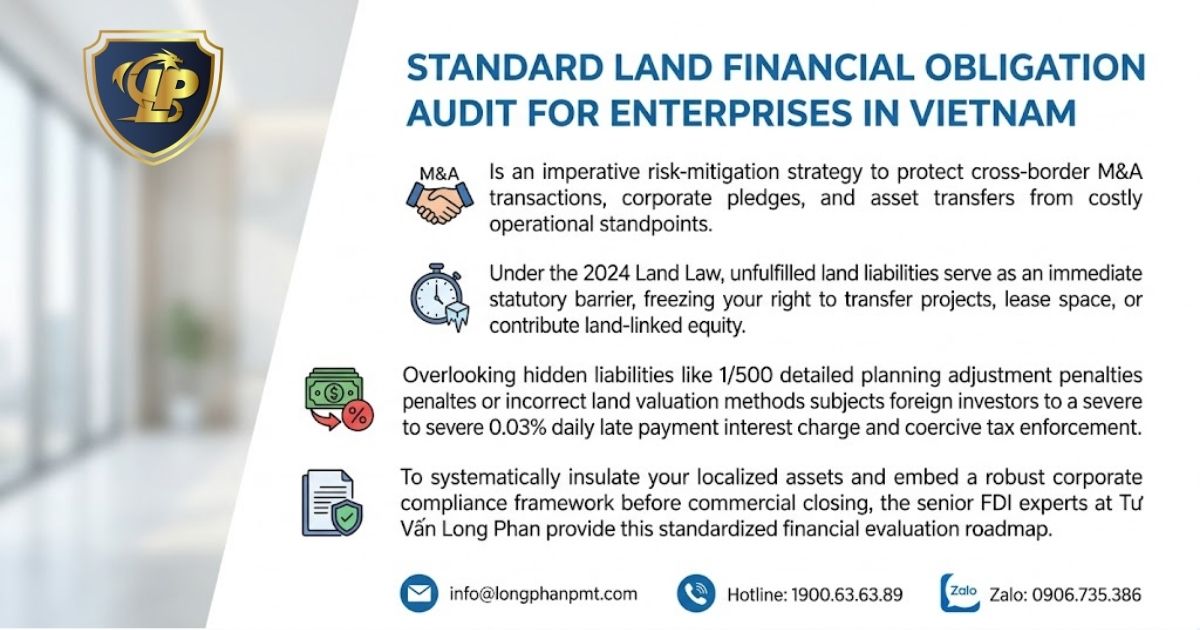
According to Decree 95/2024/NĐ-CP, which guides the Law on Housing 2023, when the land use term expires, the homeowner must submit a renewal application at least three months prior. The overseas vietnamese homeownership term is then extended according to the new land use term.
For overseas Vietnamese holding Vietnamese nationality, there is no concern about the ownership term. Their right to own housing and use residential land is stable and long-term (perpetual). This right can be transferred or inherited.
The overseas Vietnamese homeownership term depends entirely on proving one’s status as a Vietnamese person residing abroad, as defined in Article 14 of the Law on Nationality 2008. Correctly establishing this status is critical for enjoying long-term ownership rights.
Grounds for determining this status include:
Documents to prove overseas Vietnamese status, per Article 11 of the Law on Nationality 2008, include:
Significantly, under the 2014 amendment to the Law on Nationality 2008, a Vietnamese person residing abroad who had not lost their Vietnamese nationality before July 1, 2009, still retains their nationality without needing to register.
The overseas Vietnamese homeownership term differs based on status:
This difference incentivizes people of Vietnamese origin to prove or restore their Vietnamese nationality before a real estate transaction.
Long Phan Consulting Company provides expert consulting on housing ownership for overseas Vietnamese. The overseas Vietnamese homeownership term has complex legal aspects that require clear explanation from experienced professionals. Our legal team understands the relevant laws and provides precise, timely advice.
Our comprehensive services include:
Yes. They can buy property but are subject to the same ownership term (max 50 years + one 50-year extension) and quantity limits as foreigners.
The law specifies a usage term for the building, based on its condition. The ownership right to the associated land use right remains, and the owner is compensated if the building is demolished.
Through documents like a Vietnamese passport, citizen ID card, or a Certificate of Vietnamese Nationality.
For those with Vietnamese nationality, ownership of a private house and its residential land is stable and long-term (indefinite).
No. The Law on Housing 2023 does not require permanent residency.
For an individual with Vietnamese nationality, the house ownership remains stable and long-term. They can apply to extend the land use term when it expires.
Yes. They have the same right to lease their property as resident Vietnamese citizens.
The overseas Vietnamese homeownership term is legally protected as stable and long-term, similar to the rights of resident citizens. It is crucial for overseas Vietnamese to understand the regulations for different property types and follow renewal procedures. For expert consultation and procedural support, contact Long Phan Consulting Company at our hotline: 1900 636389.