
Legal risks when buying real estate are always a critical concern for anyone preparing to transact, especially during the pre-contract stage. If not identified promptly, these risks can directly affect the transaction’s safety and your lawful rights. In this article, Long Phan Consulting Company analyzes the key legal risks when buying real estate and provides inspection guidelines to help buyers proactively and effectively prevent them.

One of the most important steps to avoid legal risks when buying real estate is to carefully check the legal status of the property before entering into any transaction.
Real estate legal checks are a crucial step in eliminating legal risks when purchasing property, helping buyers assess the validity and security of the asset. Based on this, it’s necessary to thoroughly examine core legal factors such as the legality of the Certificate of Ownership and the terms of sale of the property to minimize potential risks.
Verifying the legality of the Land Use Certificate helps buyers minimize legal risks when buying real estate and ensure that the property has valid ownership documentation. Buyers must review crucial information to verify accuracy and identify potential issues:
Based on these checks, typical legal risks that may arise include:
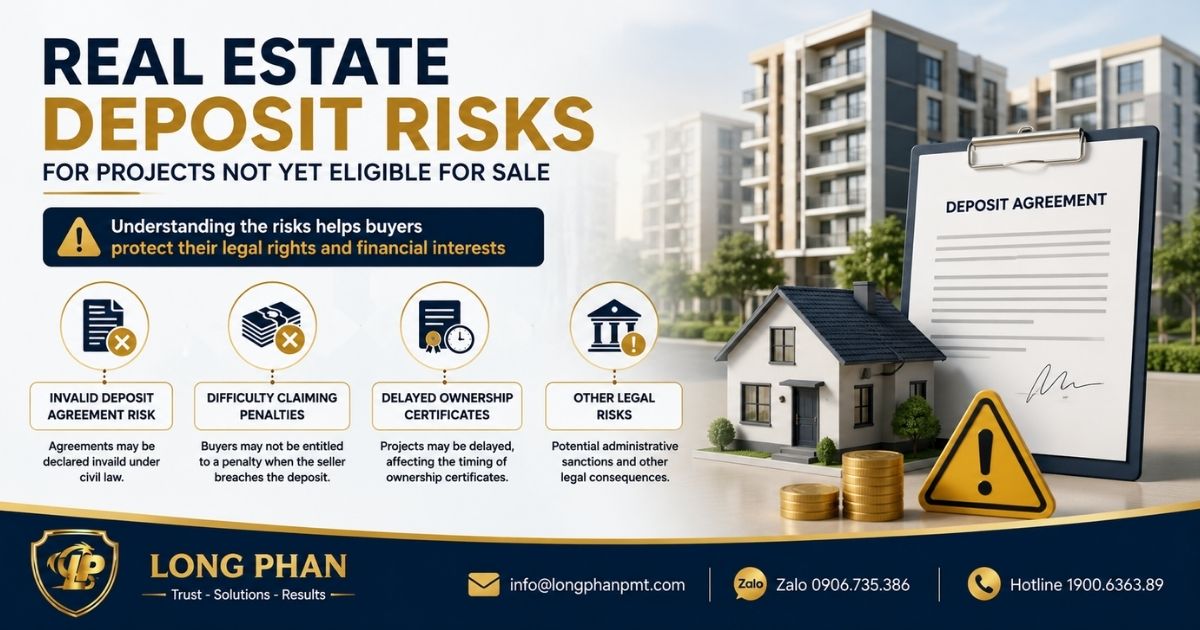
When purchasing off-plan property, reviewing the legal status of the offer conditions is necessary to prevent potential legal risks when buying real estate.
For off-plan real estate, checking the developer’s legal offering conditions is the key factor in ensuring a lawful transaction and avoiding future risks. Buyers must verify that the project fully meets the conditions prescribed by real estate business laws. This involves reviewing related legal dossiers such as the validity of land use rights, construction permits, project legal records, and crucially, the written confirmation of eligibility to sell or lease-purchase issued by a competent agency. If these conditions are not guaranteed, the transaction may become void or trigger disputes, directly affecting the buyer’s rights.
>>> See more: High-End Townhouse and Villa Brokerage Services in 2026
Examining the planning information of the property is essential to avoid legal risks when buying real estate, particularly those related to zoning or land use restrictions.
Checking planning is a crucial step to determine the asset’s actual usability and long-term value, as not all certificated assets can be built on or exploited according to the buyer’s needs. Reviewing planning information helps buyers grasp the land use orientation and applicable legal restrictions. Specifically, check the land use planning to determine if the property is residential, public, traffic, or other land types. Simultaneously, review construction planning details like road reserves, building lines, and safety corridors (traffic, irrigation, power grids).
Without thorough checks, buyers face risks such as: the real estate falls under planning that prohibits construction or is subject to State recovery; the asset lies within a protection corridor, restricting usage rights; and in some cases, compensation upon recovery is inadequate to protect the land user’s interests.
Determining whether the property is involved in any disputes is a crucial step in reducing legal risks when buying real estate.
Verifying dispute status ensures the real estate is eligible for transaction and harbors no latent legal risks. In reality, many assets possess valid Certificates but are still embroiled in use right or ownership disputes, directly invalidating transfers. Buyers must proactively verify if the property is under dispute, particularly common types like boundary disputes, inheritance disputes, or joint-use disputes. This can be checked by seeking confirmation from the commune/ward People’s Committee where the land is located, combined with gathering practical information from neighbors and residential groups. Failure to check this can lead to risks such as the property being legally ineligible for transfer, or disputes arising post-transfer, leading to prolonged, costly litigation.

Conducting a field inspection allows buyers to detect potential issues that may lead to legal risks when buying real estate. On-site inspection is a crucial step in comparing the legal information on paper with the actual condition of the property, thereby accurately assessing its suitability and potential for development. This helps buyers promptly detect discrepancies or violations that may not be fully reflected in the legal documents.
Confirming the actual boundaries and current land use of the property helps prevent legal risks when buying real estate arising from inconsistencies with official records. Buyers must conduct physical measurements and compare them directly with the Certificate’s information to confirm matching areas, dimensions, and parcel boundaries. This inspection mitigates risks such as the actual area being smaller than the book area, or land encroachment issues, thereby avoiding post-transaction disputes or financial losses.
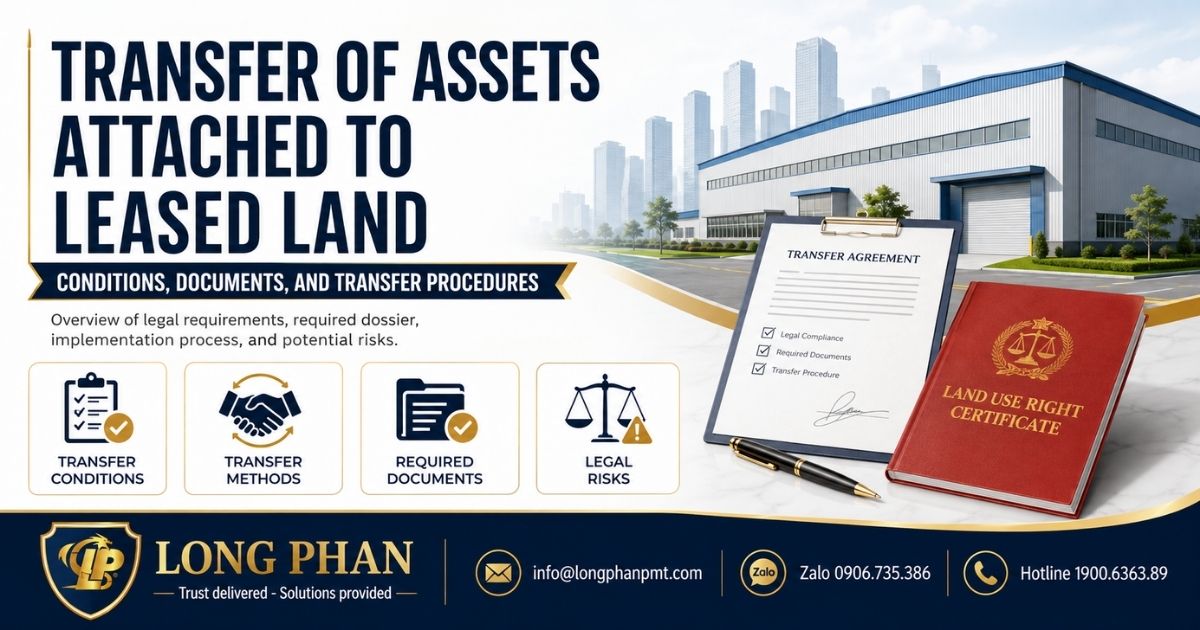
Checking the assets attached to the land is necessary to avoid legal risks when buying real estate, especially when structures or improvements are involved. For houses or structures on the land, check the legality of the construction, including the existence of a construction permit and whether the actual build matches the permitted details. Without this check, buyers face risks such as illegal or unpermitted construction being administratively fined or forced to be dismantled, and competent agencies refusing to recognize ownership of the land-attached assets.
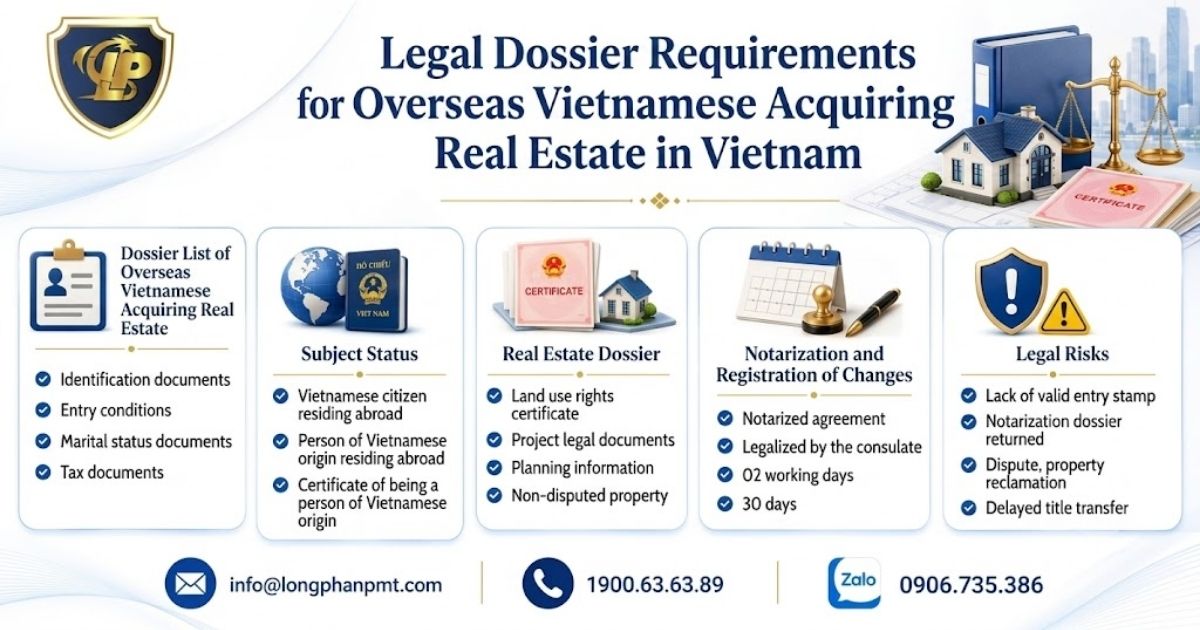
Verifying the parties involved in the transaction is a crucial step to ensure that those participating in the transfer have the full legal rights and capacity to carry out the transaction. Failure to accurately identify the parties may invalidate the contract or lead to disputes regarding ownership and disposal of the property.
First, it is necessary to clearly identify whether the seller is an individual or a household to apply the appropriate legal regulations; at the same time, check whether the property is under co-ownership to ensure that all co-owners participate or have valid consent to the transaction. In cases where the transaction is conducted through an authorized representative, the legality, scope, and duration of the authorization document should be reviewed to avoid exceeding the authorized authority.
In addition, the marital status of the seller is a mandatory factor to check in order to determine whether the property is joint property of the spouses or separate property; if it is joint property and the consent of the other spouse is lacking, the transaction may be invalid and directly affect the rights of the buyer.
Legal review of a contract is the final but crucial step in the entire real estate transaction process, as all rights and obligations of the parties are recorded and bound by the contract. Carefully reviewing the contract ensures its legality, minimizes legal risks when buying real estate, and creates a solid foundation for protecting rights should disputes arise.
Pay special attention to crucial clauses such as deposit penalties, refund conditions, and the seller’s obligation to provide legal dossiers. This stage is prone to risks if clauses are drafted unfavorably, potentially leading to lost deposits or difficulties demanding refunds if the transaction halts.
Ensure the contract is lawfully notarized. For off-plan real estate, the sale contract must fully meet the party rights and obligations prescribed by real estate business laws. Furthermore, the contract must reflect the actual transaction reality, especially the transfer price. Under-declaring the price to evade taxes can trigger future disputes, and contracts lacking crucial clauses make protecting your rights exceedingly difficult.
>>> See more: Selecting an Appropriate Real Estate Distribution Strategy
With practical experience in the real estate sector, Long Phan Consulting Company provides in-depth advisory and brokerage services, helping clients comprehensively control legal risks throughout the transaction process. Our service goes beyond mere matchmaking; we focus on legal review, asset safety evaluation, and accompanying clients from the initial inspection to the completion of transfer procedures.
Our specific consulting tasks include:

Below are some frequently asked questions about identifying legal risks when buying real estate; please refer to them:
The biggest legal risk when buying real estate is that the seller is unable to release the mortgage to complete the notarized transfer. A safe solution is for the parties to establish a tripartite agreement (Seller – Buyer – Bank) where the buyer directly deposits the money into the bank to settle the loan and retrieve the property title.
Even if the land title is registered in only one person’s name, if the property was acquired during the marriage, it is still considered joint property. Without the consent of both husband and wife, the transaction may be declared invalid by the Court.
(Legal basis: Article 33 Marriage and Family Law 2014)
Current law does not require deposit contracts to be notarized or authenticated, so handwritten documents are still legally valid if they meet the requirements regarding civil capacity and the voluntary agreement of the parties.
(Legal basis: Article 328 of the 2015 Civil Code)
The conditions for putting housing and construction projects under construction into business include:
Within 15 days of receiving the notification, the provincial-level state management agency for real estate business is responsible for inspecting the conditions of the housing units to be put into business and responding in writing to the investor regarding whether the housing units are eligible for sale or lease-purchase; if they are not eligible, the reasons must be clearly stated.
(Legal basis: Article 24 of the 2023 Law on Real Estate Business)
When the actual area is smaller than the area recorded on the land title certificate, it is first necessary to remember and determine the cause of the discrepancy. If the boundaries of the land plot have not changed since the time the certificate was issued and there are no disputes with neighboring households, then when the land title certificate is reissued, the area will be determined according to the actual measurement (reduced to the actual area).
Conversely, if there is a change in boundary or a dispute arises, the dispute must be resolved or the boundary redefined before the certificate is issued. Additionally, in cases of discrepancies due to technical errors or inaccurate location determination, the competent authority will review and issue a new certificate to reflect the actual land use.
(Legal basis: Clause 6, Article 135 of the 2024 Land Law)
Buying land with handwritten documents (without a land title certificate) carries significant legal risks because the transaction does not meet the conditions for legal transfer, specifically the lack of a land use right certificate, a mandatory requirement for transferring ownership. As a result, the contract may be invalid, the buyer cannot transfer ownership, and their land use rights will not be legally recognized. Furthermore, there is a risk of purchasing land that is under dispute, seized, or ineligible for transaction, without any mechanism to protect rights in case of disputes.
(Legal basis: Article 45 of the Land Law)
Identifying and controlling legal risks when buying real estate is the pivotal factor in ensuring transaction safety and protecting the buyer’s long-term interests. However, in reality, not everyone possesses the knowledge and experience to independently review complex legal issues. Therefore, selecting a professional consulting unit like Long Phan Consulting Company gives clients peace of mind throughout the transaction, from legal checks to finalizing procedures.
If you need detailed support, please contact Hotline 1900636389 for swift and accurate advice.
>>> See more: Property Buyer Finding Services for Real Estate Owners