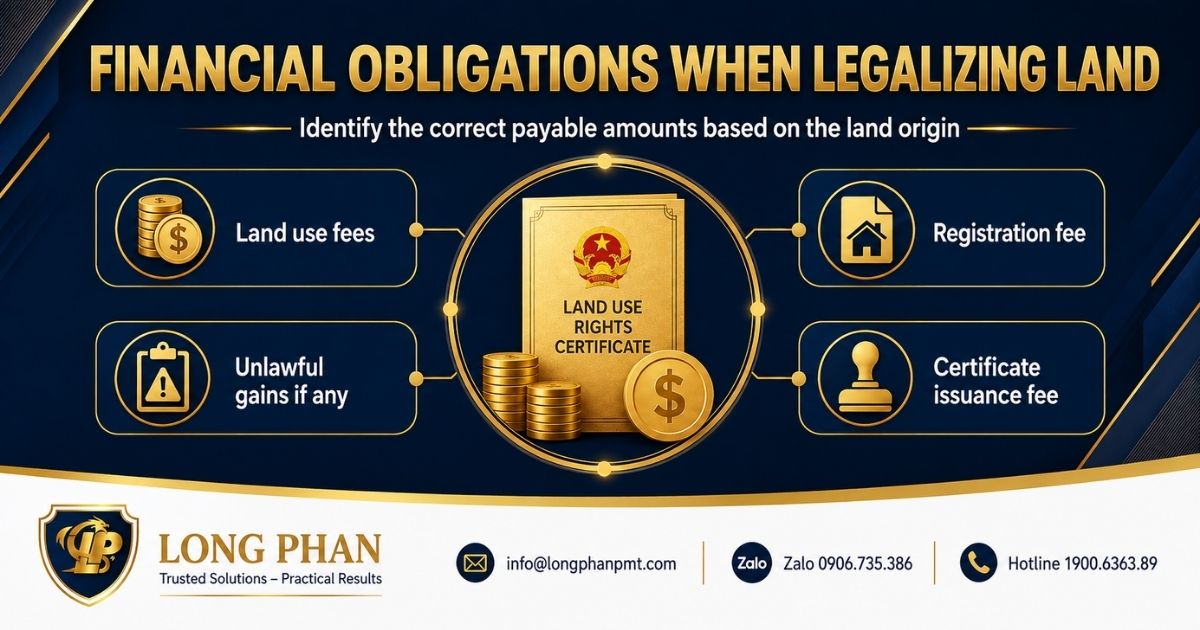

The financial obligations for overseas Vietnamese selling property constitute an inseparable component of the ownership and land use rights transfer process. Correctly identifying and executing these duties requires a deep understanding of current laws on taxes and fees. This analysis by Long Phan Consulting Company details the specific fees, charges, and taxes that overseas Vietnamese clients must fulfill when conducting real-t estate transactions in Vietnam.

A real estate brokerage fee is a cost incurred when a client uses an intermediary service to find a buyer and facilitate a transaction. This fee is based on a civil agreement between the seller and the broker, recorded in a brokerage service contract. The legal framework for this activity is clarified by current legislation, particularly the Law on Real Estate Business 2023.
Article 63 of the Law on Real Estate Business 2023 governs brokerage remuneration and commissions:
Payment of the brokerage fee typically occurs after the seller receives a deposit from the buyer or upon completion of the transfer procedures at a notary office, as stipulated in the contract.
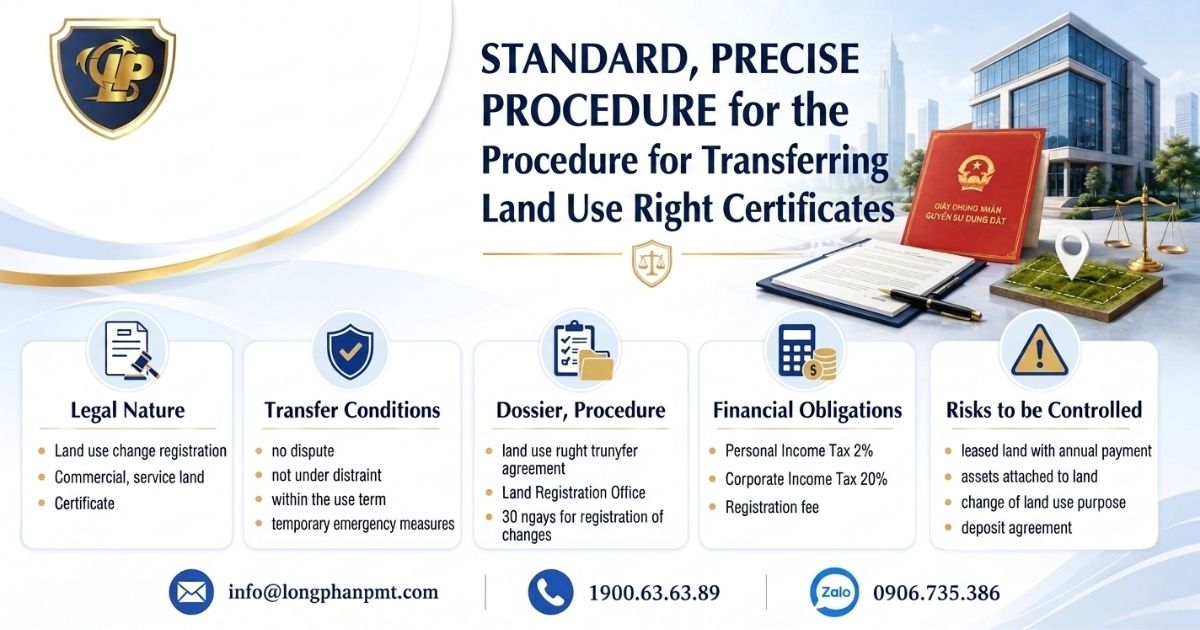
Personal income tax is one of the mandatory financial obligations for overseas Vietnamese when selling property. This tax must be paid to the state budget upon generating income from a real estate transfer. The declaration and payment of PIT are handled at the competent tax authority where the property is located.
PIT Rates and Calculation:
The law also provides for PIT exemptions in certain cases, under Article 4 of the Law on Personal Income Tax 2007 (supplemented by Clause 3, Article 2 of the Law Amending Tax Laws 2014):
>>> See more at: A Guide to Real Estate Taxes in Vietnam
The registration fee is an amount the property recipient must pay when registering ownership and use rights with a competent state agency. By convention, the buyer is obligated to pay this fee. However, the transfer contract can stipulate that the seller (the overseas Vietnamese) is responsible for this payment, making it a critical component of the financial obligations for overseas Vietnamese to calculate.
Fee Rate and Formula:
Registration Fee Payable = Price for Registration Fee Calculation x 0.5%Clause 1, Article 7 of Decree 10/2022/NĐ-CP details the price for registration fee calculation:
Important Note: If the transfer price in the contract is higher than the price regulated by the People’s Committee, the registration fee will be calculated based on the contract price.
Special Cases:
Accurate determination of the registration fee price helps all parties budget correctly and fulfill financial duties efficiently.
Notarization and authentication fees are paid to a notarial practice organization (public Notary Office or private Notary Office) to notarize the contract for the transfer of land use rights and attached assets. This is a mandatory procedure for the contract to be legally valid and serves as the basis for subsequent land registration procedures. This cost is an essential part of the total financial obligations for overseas Vietnamese selling property.
Notarization Fee Schedule: The fee is regulated by Article 4 of Circular 257/2016/TT-BTC, based on the asset value or contract value.
Payer of the Fee: According to Article 2 of Circular 257/2016/TT-BTC, the person requesting notarization is obligated to pay the fee. However, the law allows parties to agree on who pays. In practice, parties often agree that the buyer or seller pays, or they split the cost.
Note on Notary Remuneration and Other Costs: Overseas Vietnamese must distinguish between the regulated notarization fee and notary remuneration. Remuneration covers services beyond the basic notarization process, such as contract drafting, legal consultation, or travel for off-site notarization. This remuneration is negotiated between the parties and the notary organization and is not capped by the state fee schedule.

The process of transferring real estate in Vietnam has unique aspects for overseas Vietnamese. To ensure legal and financial security, beyond fulfilling all financial obligations for overseas Vietnamese, clients should pay special attention to the following issues.
These precautions help prevent disputes and protect the seller’s interests. Diligence at every step of the transaction is fundamental to a successful outcome.

To clarify legal regulations and resolve practical issues, here are answers to common questions regarding the financial obligations for overseas Vietnamese when selling property in Vietnam.
For a power of attorney to be legally valid in Vietnam, the overseas Vietnamese must have it authenticated at a Vietnamese diplomatic mission (Embassy or Consulate General) in their country of residence. This document is then sent to Vietnam for the authorized person to carry out the necessary procedures.
This is permissible. Overseas Vietnamese can legally transfer proceeds from a real estate transaction abroad. The transfer must be conducted through a licensed commercial bank in Vietnam. The individual must provide complete documentation proving the legal origin of the funds, including the notarized transfer contract, tax declarations, and receipts confirming fulfillment of all financial obligations.
To be exempt from PIT for owning a single home and residential land, the seller must prepare a sworn affidavit (on a regulated form) affirming it is their only such property in Vietnam and accepting full legal responsibility for the statement. The tax authority will review this affidavit to grant the exemption.
Declaring a price lower than the actual transaction value is tax evasion and can lead to severe consequences. If discovered, the seller may be subject to tax arrears collection, significant administrative penalties, and late payment interest. Furthermore, the contract could be declared void by a court, posing a risk of asset loss for both parties.
Income from inheriting or receiving gifted real estate between immediate family members (parents-children, spouses, siblings) is exempt from PIT. However, when the recipient (the overseas Vietnamese) subsequently sells this property, they must still pay the 2% PIT on the transfer price, unless they qualify for an exemption under other circumstances.
The law does not mandate it, but having a bank account in Vietnam is strongly recommended. It facilitates secure, transparent, and convenient payments and is a crucial element for the subsequent procedures to remit funds abroad.
After the contract is notarized, the tax and registration fee declaration file must be submitted to the competent authority within 10 days. Upon receiving a notice from the tax authority, the payer is obligated to pay the full amount by the deadline specified in the notice.
Completing the financial obligations for overseas Vietnamese when selling property in Vietnam is a complex process requiring precision and strict adherence to legal regulations. Each transaction has unique characteristics and can give rise to unforeseen legal issues. To protect your rights and ensure a safe and effective transaction, please contact Long Phan Consulting Company via our hotline at 1900 6363 89 for specialized legal support.