
Remote real estate sales consulting for Vietnamese residing abroad is a common need, as many Overseas Vietnamese still own real estate in Vietnam but cannot execute transactions in person. This requires sellers to clearly grasp current legal regulations regarding authorization, transfer contracts, tax obligations, and title transfer procedures. The following article provides comprehensive information on legally selling housing and land remotely for Vietnamese residing abroad.

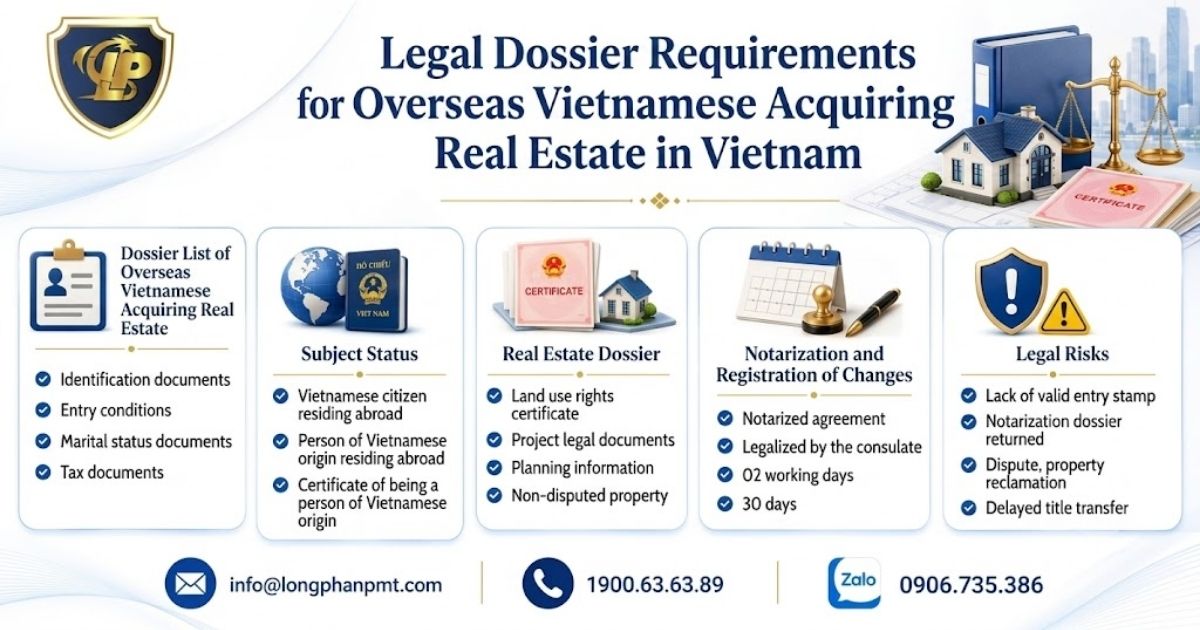
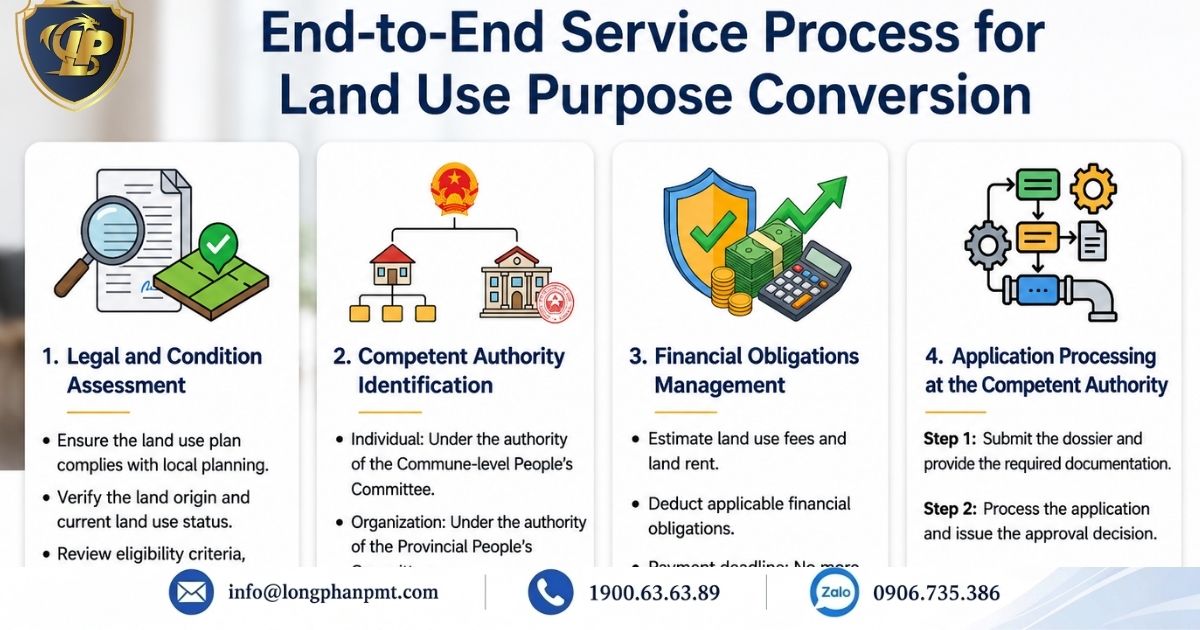
Before proceeding with a remote sale, the owner must review and prepare a complete legal dossier to ensure the asset is eligible for a transaction under the law.
First, the Certificate of Land Use Rights, Housing Ownership, and Land-Attached Assets (Red Book or Pink Book) must be checked to clearly verify owner information, area, land use purpose, and the asset’s legal status. Additionally, the seller must verify the plot’s planning status at a competent agency or via local planning information systems to ensure the real estate is not slated for planning/recovery or restricted from trading.
Thoroughly verifying these elements mitigates legal risks and creates transparency when listing the property on the market.
If the property owner lives abroad and cannot return to Vietnam to execute the transaction, establishing a lawful power of attorney (POA) for a representative in Vietnam is the standard solution. The content must clearly define the scope and authority to ensure the authorized person can fully execute all procedures related to selling the real estate.
Method 1: Authorization at a Vietnamese Diplomatic Mission Abroad
The owner can draft and sign the POA directly at the Vietnamese Embassy or Consulate in their country of residence, pursuant to Article 13 of Decree 111/2011/ND-CP. The authorization typically covers: searching for buyers; signing deposit contracts and land/housing transfer contracts; receiving payments; and executing title transfer procedures at competent state agencies. A POA established at a diplomatic mission holds immediate legal validity for use in Vietnam.
Method 2: Foreign Notarization, Translation, and Consular Legalization
If the owner drafts the POA at a foreign notary organization or competent authority, the document requires additional legal procedures before use in Vietnam. The standard sequence is: notarization/authentication abroad; translation into Vietnamese and notarization of the translation in Vietnam; and finally, consular legalization under Clause 2, Article 4 of Decree 111/2011/ND-CP to ensure the document possesses legal validity for the real estate transfer.

Selling housing and land remotely for Overseas Vietnamese is typically executed via the authorized representative in Vietnam following a clear process to ensure legality and safety for all parties.
Step 1: Negotiating Price and Transaction Conditions
The seller or authorized representative discusses the transfer price, payment method, contract signing time, and handover conditions with the buyer. Agreeing on these details beforehand facilitates smooth contract signing and limits future disputes.
Step 2: Signing the Deposit Contract
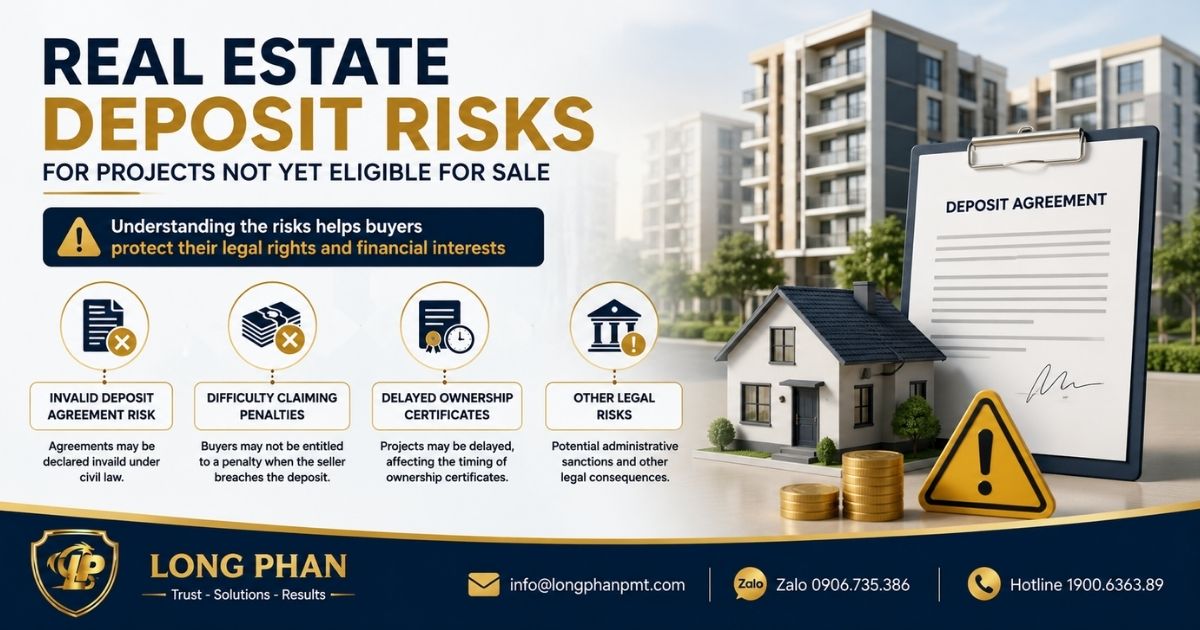
Once initial agreements are reached, a deposit contract is drafted to secure the conclusion of the transfer contract. This can be signed directly between parties or via the legally authorized representative based on the POA’s content.
Step 3: Signing the Transfer Contract at the Notary Office
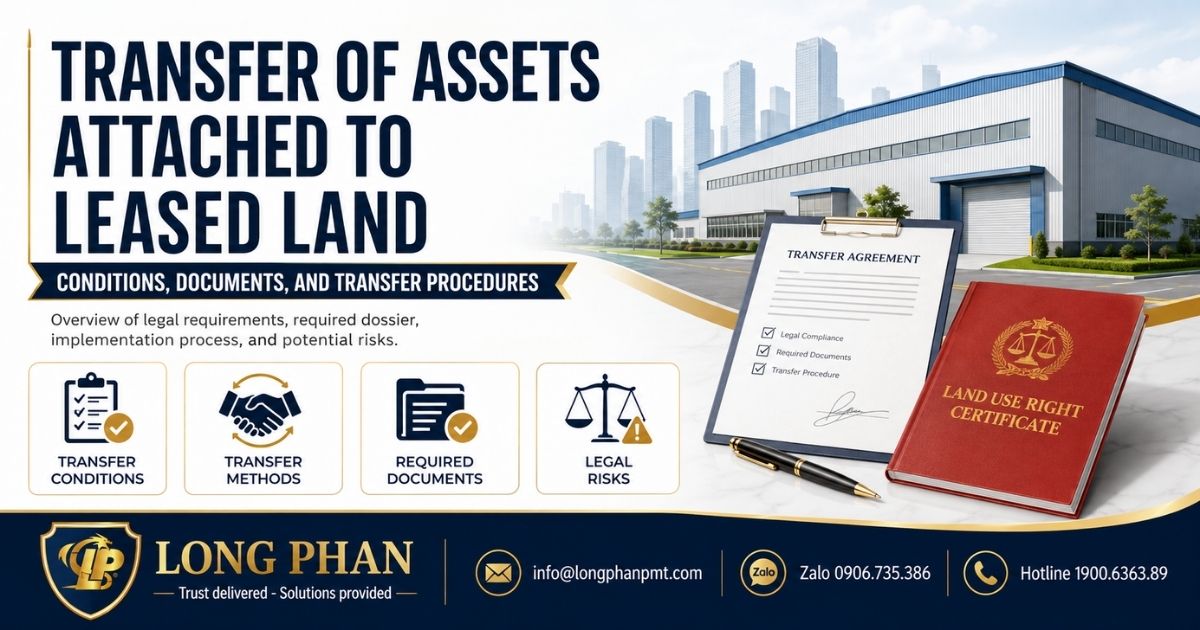
The transfer contract for land use rights and housing ownership must be notarized under Clause 3, Article 27 of the 2024 Land Law. In a remote sale, the authorized person represents the owner to sign the contract at the notary office and executes transaction items within the authorized scope, including receiving payment if explicitly stated in the POA.
Step 4: Executing Title Transfer Procedures
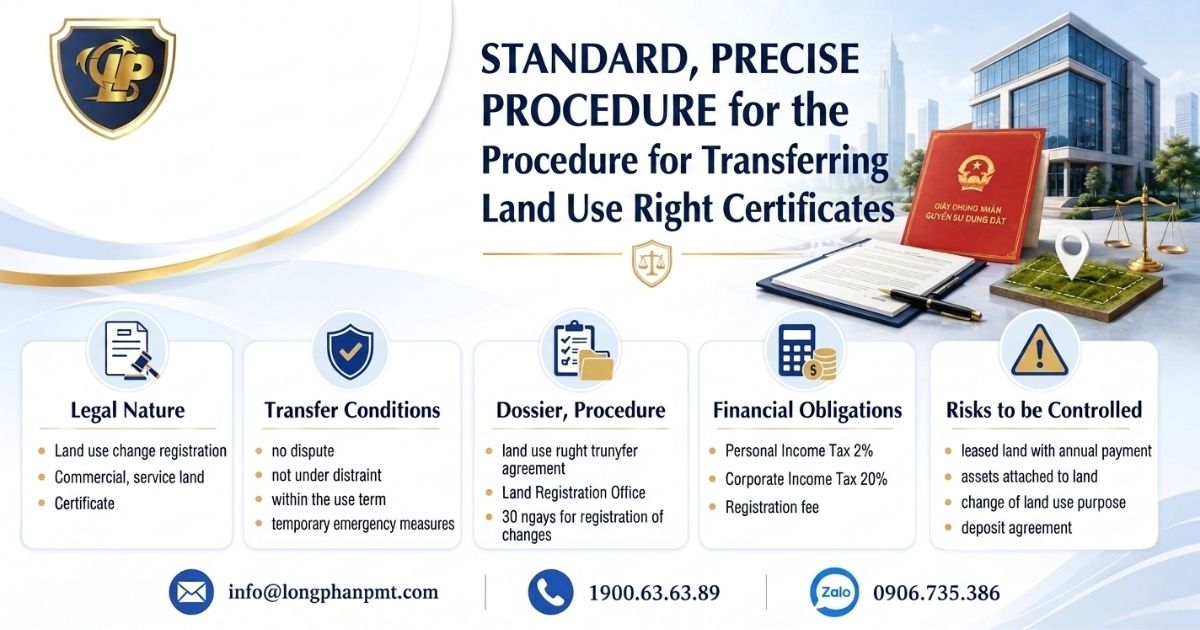
Post-notarization, the buyer or the authorized representative submits the change registration dossier to the Land Registration Office where the property is located to execute the title transfer under Clause 3, Article 133 of the 2024 Land Law. Completing this procedure officially establishes the buyer’s ownership rights.
In remote real estate sales consulting for Vietnamese residing abroad, selecting a secure and transparent payment method is vital to limit risks and protect the parties’ interests. Typically, payments are made via bank transfer to generate clear transaction receipts for easy cross-referencing.
Depending on the agreement and the POA’s content, the funds can be transferred to the authorized representative’s account in Vietnam or directly to the owner’s overseas account. The chosen method must be clearly recorded in the contract to prevent disputes.
Furthermore, parties must note requirements for proving the lawful source of funds and complying with foreign exchange management regulations when transferring money out of Vietnam or receiving funds from abroad.
When executing a remote real estate sale, the owner must pay special attention to potential legal and transaction risks. Early identification helps the seller proactively prevent issues and protect their rights.
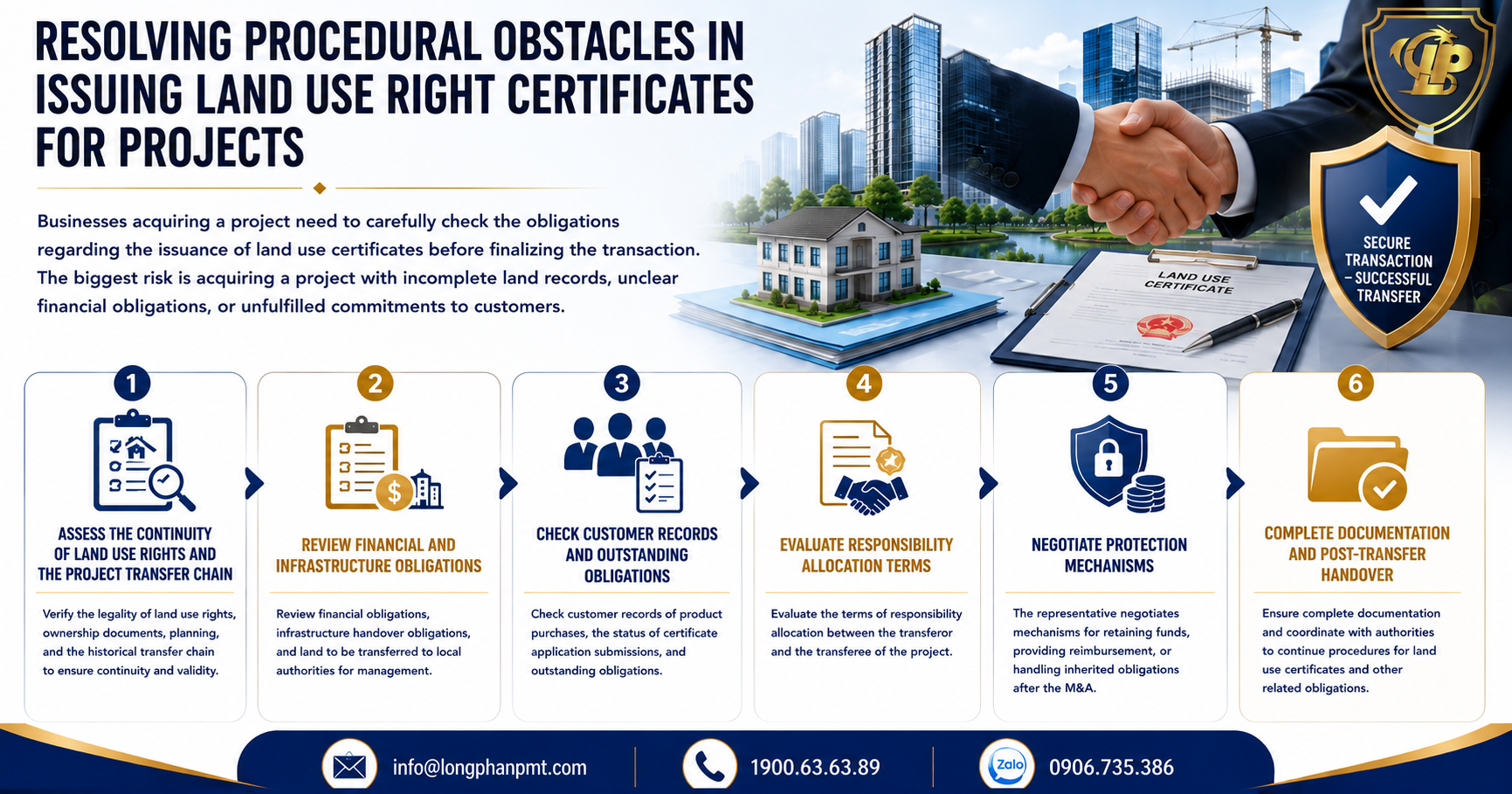
One common risk is that the power of attorney may not fully meet legal requirements and therefore will not be accepted by the notary or government agency. This can happen when the power of attorney is drawn up abroad but has not been legalized by consular authorities, or when the authorization does not clearly specify the scope of authority, such as the right to sign transfer contracts, receive money, or carry out ownership transfer procedures. This can disrupt or prevent the transaction from being completed.
The risk of identity theft can also arise when someone uses forged documents or inaccurate information to conduct real estate transactions. Additionally, in some cases, working with unethical or disreputable brokerage firms can lead to the illegal sale of property or the emergence of disputes.
Non-transparent payment methods, especially cash transactions or money transfers without clear documentation, can lead to many risks such as disputes over the amount paid or difficulty proving the transaction in legal issues. Therefore, parties should prioritize making payments through the banking system and retain complete transaction documents to ensure transparency and security.

To assist Vietnamese residing abroad in selling housing and land in Vietnam smoothly and in strict accordance with legal regulations, our consulting unit provides comprehensive remote real estate sales consulting for Vietnamese residing abroad and transaction support services. We structure our professional support into the following key area:
Package 1: Checking the legal status of the property
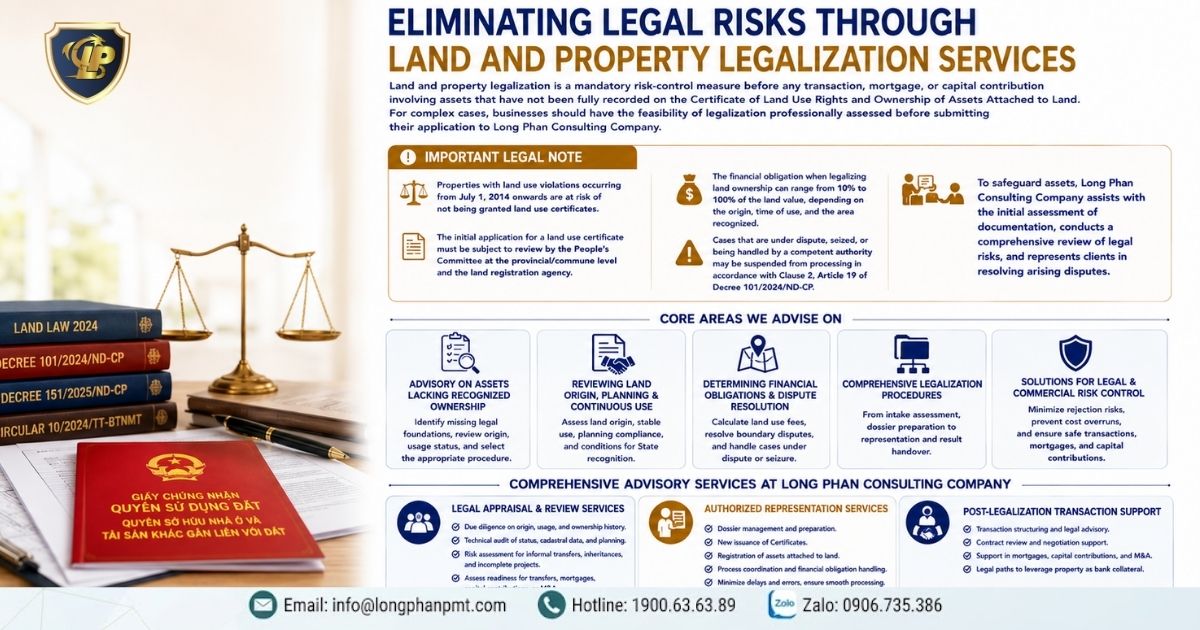
This remote real estate sales consulting service for Vietnamese people living abroad focuses on reviewing and assessing the legal status of the property before proceeding with the transaction. The services include checking the Certificate of Land Use Rights and House Ownership, reviewing the legal information of the property, checking the planning status of the area where the property is located, and assisting in valuing the property according to market rates to help owners determine an appropriate asking price.
Package 2: Home Sales Brokerage
In this service package. We assist property owners in implementing real estate marketing activities, promoting property information through appropriate channels to reach potential buyers. Simultaneously, we will support finding buyers, advise on sales strategies, and participate in negotiating transaction terms to reach a suitable agreement between all parties.
Package 3: Full service package
For customers requiring comprehensive support. We provide comprehensive remote real estate sales consulting services for Vietnamese people living abroad, from document preparation to transaction completion.
Services include drafting deposit and transfer agreements, advising and assisting in preparing legal power of attorney documents, carrying out contract notarization procedures, and supporting the registration of land use rights and house ownership at competent state agencies. This service helps overseas clients sell their properties in Vietnam conveniently and minimize potential legal risks.
For detailed advice on remote sales services, you can contact our expert team to review property legalities, consult on authorization plans, and receive guidance tailored to your specific case.
Below are some frequently asked questions relating to remote real estate sales consulting for Vietnamese residing abroad. Please refer to them:
Vietnamese citizens residing abroad still have the right to transfer land use rights and ownership of houses in Vietnam if they are the legal owners of the real estate. The transfer must meet the conditions of land law, including having a valid land use certificate and the property not being subject to disputes, seizure, or transaction restrictions.
(Legal basis: Article 45 Land Law 2024)
It is not mandatory. The owner can sell the house by authorizing another person in Vietnam. The authorized person can sign the deposit contract, the transfer contract, and carry out legal procedures on behalf of the owner within the scope of their authorization.
(Legal basis: Article 562 of the 2015 Civil Code)
The duration of the authorization is agreed upon by the parties or stipulated by law; if there is no agreement and the law does not stipulate otherwise, the authorization contract is valid for one year from the date of establishment of the authorization.
(Legal basis: Article 563 of the 2015 Civil Code)
If you retain Vietnamese citizenship and own only one house or land use right in Vietnam, you are exempt from personal income tax when transferring ownership.
(Legal basis: Clause 2, Article 4 of the Personal Income Tax Law 2025, effective from July 1, 2026)
Current law does not require individuals to make payments through a bank when conducting property transfer transactions. Parties can agree on a suitable payment method, including cash or bank transfer. However, in practice, bank payments are generally recommended. This method ensures transparency and security in transactions and provides clear documentation and evidence of payment, especially convenient when parties conduct transactions remotely.
Landowners can still transfer land use rights that are mortgaged to a bank if the mortgagee agrees. Typically, the bank will provide written approval and require the release of the mortgage before signing the transfer contract. After the security obligation is paid and the property is released from the mortgage, the new owner can proceed with signing the transfer contract as stipulated. This process aims to protect the bank’s interests as well as the legality of the land transfer transaction.
(Legal basis: Article 321 of the 2015 Civil Code)
Remote real estate sales consulting for Vietnamese residing abroad becomes significantly simpler and safer when the seller proactively prepares the legal dossier, executes a valid authorization, and complies with the transaction process, please contact us Long Phan Consulting Company via Hotline 1900636389 To receive timely and effective support from our team of experts.