The real estate rights for overseas Vietnamese are defined and expanded under Vietnam’s Land Law 2024 and Law on Housing 2023. An individual’s legal status—as either a Vietnamese citizen or a person of Vietnamese origin—is the critical factor that determines the scope of their property rights. Long Phan Consulting provides a technical analysis of these legal frameworks.
Rules of Real Estate Rights for Overseas Vietnamese
Universal Property Rights for Overseas Vietnamese
Upon receiving a Certificate of Land Use Rights and Ownership of Assets Attached to Land, an overseas Vietnamese possesses the fundamental rights of a land user in Vietnam. These foundational rights, detailed in the Land Law 2024 and Law on Housing 2023, create the legal basis for all property use.
Certification and Use: Obtain a Title Certificate and use the property for its designated purpose (Article 26 & 31, Land Law 2024).
Investment Returns: Enjoy all income and benefits from labor and legal investments on the land (Article 26, Land Law 2024).
State Protection: Receive protection from the State against infringement of legal land rights and interests (Article 26, Land Law 2024).
Compensation: Receive compensation, support, and resettlement if the State recovers the land for public purposes (Article 26, Land Law 2024).
Disposition of Housing: Sell, lease-purchase, gift, exchange, or bequeath housing assets (Article 10, Law on Housing 2023).
Leveraging Housing Assets: Mortgage owned housing at credit institutions or use its value as capital contribution to legal economic entities in Vietnam (Article 10, Law on Housing 2023).
Differentiated Rights Based on Legal Status
The primary distinction in the real estate rights for overseas Vietnamese centers on transactions involving land use rights. Article 4 of the Land Law 2024 separates users into two distinct groups:
Individuals: Includes domestic citizens and overseas Vietnamese who are also Vietnamese citizens.
Persons of Vietnamese Origin Residing Abroad: Individuals of Vietnamese descent without Vietnamese citizenship.
This classification directly impacts the scope of permissible transactions, particularly for mortgaging and capital contribution involving land use rights under Article 27 of the Land Law 2024.
Comprehensive Rights for Vietnamese Citizens
Under Article 4 of the Land Law 2024, an overseas Vietnamese holding Vietnamese citizenship is classified as an “individual” with land rights equal to a domestic citizen. This status provides comprehensive real estate rights for overseas Vietnamese. These rights, detailed in Article 37 of the Land Law 2024, include the ability to:
Transfer, lease, and sublease land use rights.
Inherit and gift land use rights.
Mortgage land use rights at licensed credit institutions.
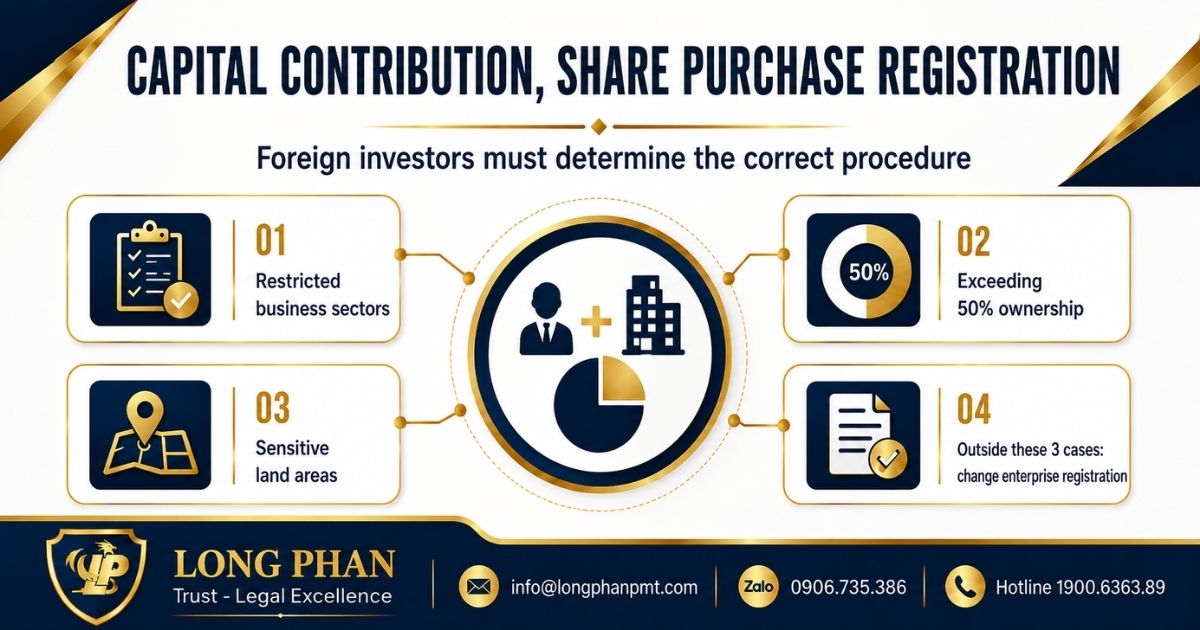
Contribute land use rights as capital for business ventures.
Engage in real estate investment and business activities with a scope similar to domestic individuals.
A person of Vietnamese origin without citizenship may own housing attached to residential land use rights (Article 28, Land Law 2024). However, their rights concerning the land use rights are restricted.
Permitted Transactions: They can sell, gift, or bequeath the house and its attached residential land use rights. If an heir is ineligible to own property in Vietnam, they are entitled only to the asset’s monetary value.
Mortgage Limitations: They can mortgage the house and other assets on the land, but not the land use right itself.
Capital Contribution Restriction: They cannot contribute the land use right as capital. Capital contributions are limited to the value of “owned assets attached to the land” (Article 41, Land Law 2024).
Executing property rights requires strict adherence to statutory conditions to ensure legal validity. Non-compliance with the provisions of Article 45 of the Land Law 2024 can nullify transactions.
Transaction Conditions: A valid transaction requires a Title Certificate, land free from disputes, no seizure orders, and an unexpired land use term.
Formal Requirements: Contracts for transfer, gift, mortgage, or capital contribution must be in written form and notarized or certified (Article 27, Land Law 2024).
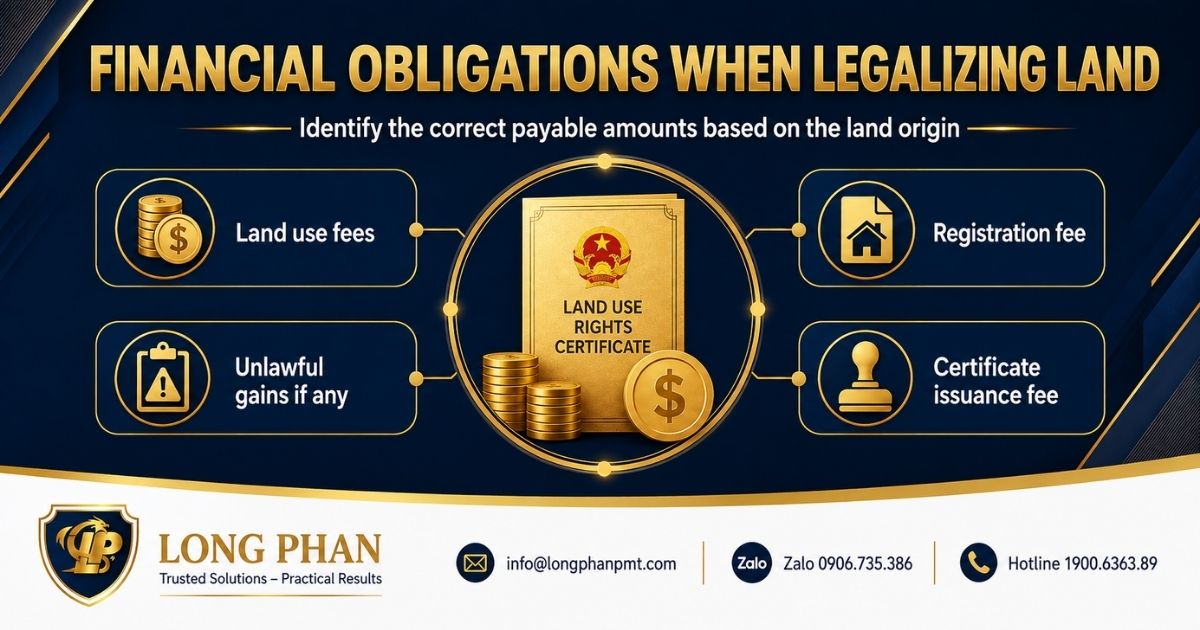
Financial Obligations: All taxes, fees, and deferred land use payments must be settled before executing a transfer, mortgage, or capital contribution (Article 31 & 45, Land Law 2024).
Third-Party and State Rights: Exploitation must respect adjacent property rights (e.g., right of way) and comply with public order and environmental regulations (Article 29, Land Law 2024).
Notes on real estate exploitation rights of overseas Vietnamese
Expert Legal Services by Long Phan Consulting Company
Vietnam’s legal framework governing property is complex. Long Phan Consulting offers expert technical solutions to navigate the real estate rights for overseas Vietnamese. Our services ensure compliance and asset protection.
Legal Status Analysis: We determine your exact legal status and advise on the corresponding rights and required documentation.
Contract Drafting and Review: We prepare and vet all contracts to protect your interests and ensure compliance.
Agency Representation: We act on your behalf with government bodies, including notary offices, land registration offices, and tax authorities.
Tax Compliance: We provide guidance on all financial obligations, including taxes, fees, and charges.
Dispute Resolution: We represent and support you in resolving any property-related disputes.
Frequently Asked Questions (FAQ)
What is the ownership term for persons of Vietnamese origin?
Residential land use is long-term and stable. Ownership of the house attached to it is indefinite unless specified otherwise by law.
How is “person of Vietnamese origin” status proven?
Through official documents like a birth certificate, an old Vietnamese ID, an expired Vietnamese passport, or a Certificate of Vietnamese Origin from a Vietnamese diplomatic mission.
What are the primary taxes and fees?
Key financial obligations include personal income tax on transfer, registration fees, administrative fees, and notarization fees. Annual non-agricultural land use tax also applies.
What if an heir is ineligible to own property in Vietnam?
The heir cannot be registered on the Title Certificate. They are entitled only to the monetary value of the inheritance after the property is sold to an eligible party.
Can overseas Vietnamese co-own property with a domestic resident?
Yes. Co-ownership is permitted for both legal status groups. Ownership shares are recorded on the Title Certificate, and joint decisions are required for exploitation.
Can overseas Vietnamese buy agricultural or commercial land?
No. Direct transfer from individuals or households is not permitted. Access is possible only through state land allocation or lease for an approved investment project.
Conclusion
A thorough understanding of the law is essential to protect and optimize the real estate rights for overseas Vietnamese. The legal landscape is intricate and subject to change. For precise and effective legal support, contact the experts at Long Phan Consulting Company via hotline 1900.63.63.89.
Facebook
Linkedin
Twitter
Pinterest
Luật sư Nguyễn Thu Hương
Lawyer Nguyen Thu Huong is a leading expert in the field of investment and licensing for foreigners. With extensive knowledge of investment laws and the complex regulations related to licensing procedures, she has successfully assisted numerous businesses and foreign investors in establishing their operations in Vietnam.