Overseas Vietnamese Land Investment: A Guide

Table of Contents

Overseas Vietnamese land investment in agricultural plots is a consideration for many expatriates seeking to invest in Vietnam. This article provides a detailed analysis of the rights to purchase agricultural land, the necessary conditions, and an assessment of the investment potential.

Should Overseas Vietnamese Land Investment in Farmland?

Can Overseas Vietnamese Invest in Agricultural Land?

The conditions for an overseas Vietnamese land investment depend on your current citizenship status. Correctly identifying your legal status determines the lawful method for purchasing agricultural land.

People of Vietnamese Origin Without Vietnamese Citizenship

Individuals of Vietnamese origin residing abroad who no longer hold Vietnamese citizenship are not permitted to directly purchase agricultural land as individuals (Point a, Clause 2, Article 9, Land Law 2024). According to Clause 1, Article 28 of the Land Law 2024, this group is not eligible to receive transfers of agricultural or production land use rights. Furthermore, Clause 1, Article 44 of the Land Law 2024 only permits this group to own residential housing attached to residential land, with no provision for agricultural land ownership.

Important Notes:

  • If you inherit agricultural land under Point d, Clause 1, Article 37 or Point b, Clause 1, Article 44 of the Land Law 2024, you will not be granted a land use right certificate for that land. You are entitled only to its value and must transfer the land to an eligible person.
  • It is possible for individuals of Vietnamese origin to gain the ability to own agricultural land. The solution is to apply for the reinstatement of Vietnamese citizenship. This procedure is handled by the Ministry of Justice or a Vietnamese diplomatic mission abroad, as stipulated by the Law on Vietnamese Nationality 2008. Upon regaining Vietnamese citizenship, they are treated as domestic individuals and can exercise the right to purchase agricultural land for investment.

In summary, under the Land Law 2024, people of Vietnamese origin without Vietnamese citizenship cannot directly purchase or be named on the title for agricultural land. The sole legal path for this type of overseas Vietnamese land investment is to reinstate Vietnamese citizenship.

Vietnamese Citizens Residing Abroad (Việt Kiều)

According to Clause 3, Article 4 of the Land Law 2024, Vietnamese citizens residing abroad have the full rights and obligations regarding land use, identical to domestic individuals. This is a positive change in land policy, creating favorable conditions for expatriates to invest in real estate.

These individuals can directly participate in real estate transactions, including the purchase of agricultural land, without limitation. This facilitates a transparent and straightforward process for an overseas Vietnamese land investment in farmland.

Notes for overseas Vietnamese when purchasing agricultural land in Vietnam.

Conditions for an Overseas Vietnamese Land Investment in Agricultural Land

To ensure a lawful transaction, overseas Vietnamese must meet all legal requirements when purchasing agricultural land in Vietnam. Strict compliance with these conditions mitigates legal risks during the investment process.

  • Proof of Eligibility: You must demonstrate you are eligible to own land in Vietnam. As per government regulations guiding the Land Law 2024 (such as the proposed Decree 95/2024/NĐ-CP), this requires a valid Vietnamese passport with an entry stamp into Vietnam at the time of the transaction. Physical presence in Vietnam is mandatory to complete legal procedures.
  • Land Status: Based on Clause 1, Article 45 of the Land Law 2024, the land being transferred must have a Land Use Right Certificate, be free of disputes, not be under seizure, be within its designated land use term, and not be subject to any temporary emergency measures.
  • Acreage Limit: The total agricultural land an individual can receive via transfer must not exceed 15 times the agricultural land allocation limit for individuals for each type of land, as specified in Clause 1, Article 177 of the Land Law 2024.

Therefore, for an overseas Vietnamese land investment to be legal, strict adherence to conditions regarding personal status, valid documentation, eligible land type, and transfer limits is required.

>>> See more at: Proof of Vietnamese Origin for Property Purchase

Should Overseas Vietnamese Invest in Agricultural Land?

While an overseas Vietnamese land investment in agricultural land is possible, the decision requires careful consideration of several factors.

First, define the purchase objective:

  • Purpose: Determine if the land is for cultivation, lease, or future conversion of land use purpose to residential land. Investigate if the local land use plan aligns with your personal goals.
  • Financial Capacity: Research the land prices set by the provincial People’s Committee. Agricultural land is valued lower than residential land. However, agricultural plots are often large, so assess your financial capacity before purchasing.
  • Legal Status: Verify if the land has a Land Use Right Certificate (sổ đỏ), if it is included in the provincial land use plan, and its remaining land use term.
  • Contract: The purchase contract must clearly define the rights and obligations of all parties and be notarized to ensure legal validity.

Second, identify the risks of purchasing agricultural land:

  • Conversion Difficulty: Local land use plans may designate certain agricultural land funds as non-convertible. In this case, the owner cannot build residential houses or other structures on the land.
  • Valuation Difficulty: Land speculators can inflate prices far beyond their actual value. Without proper market research, achieving high returns is difficult, and investors face the risk of financial loss.
  • Co-ownership: Consider the risks of land with joint or co-ownership. Shared ownership involving multiple parties can lead to future disputes.
  • Zoning Restrictions: If the land is not zoned for residential conversion in the local plan, you cannot change its land use purpose. If the land is designated as a local reserve for future development projects, conversion will also be prohibited.

This analysis shows that an overseas Vietnamese land investment in agricultural land presents both profit opportunities and significant legal and financial risks. Before purchasing, a thorough assessment of investment needs, legal status, and associated risks is essential.

>>> See more at: Overseas Vietnamese Purchase Agricultural Land: A Guide
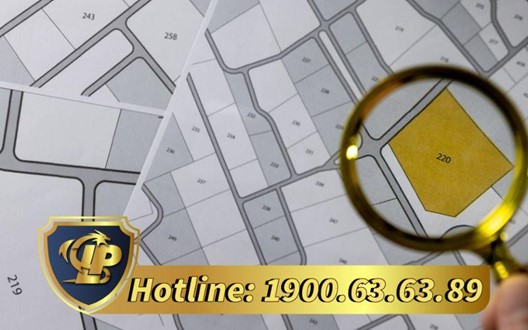
Check the zoning regulations before purchasing agricultural land for investment.

Consulting Services for Agricultural Land Investment at Long Phan Consulting Company

Long Phan Consulting Company provides professional consulting services for overseas Vietnamese interested in purchasing agricultural land. Our experienced team offers a range of services:

  • Consulting on the conditions for purchasing agricultural land in Vietnam.
  • Verifying the legal status of the land you intend to purchase.
  • Advising on the notarization procedure for the transaction contract.
  • Advising on the legalization procedure for a power of attorney for land transactions.
  • Drafting and reviewing agricultural land purchase contracts.

With experience advising numerous expatriates on real estate investment, Long Phan Consulting Company understands the challenges you face. We offer remote consulting and direct support in Vietnam to save you time and costs, facilitating your overseas Vietnamese land investment.

Frequently Asked Questions

Can overseas Vietnamese obtain a bank loan in Vietnam to buy agricultural land?

Overseas Vietnamese who still hold Vietnamese citizenship can access loans from Vietnamese banks if they meet the bank’s conditions regarding finances, credit history, and collateral.

How can one manage and cultivate agricultural land while not residing in Vietnam?

You can authorize a relative, hire an agricultural management company, or cooperate with local farmers through clear contractual agreements.

Does the agricultural land market in Vietnam have high liquidity?

Liquidity varies depending on location, zoning, development potential, and market demand. Agricultural land in planned development zones or near residential areas typically has higher liquidity.

Where can one find land use planning information before buying agricultural land?

You can find planning information at the district-level Office of Natural Resources and Environment, the provincial-level Department of Natural Resources and Environment, or on their official web portals.

What should be considered regarding land quality and the environment when investing?

Beyond legal factors, investigate land quality (fertility, soil type), water sources, and surrounding environmental factors to ensure the land is suitable for its intended use and has development potential.

Should one buy agricultural land that is currently in a dispute?

Absolutely not. Buying land under dispute carries immense legal risks and can lead to property loss or prolonged litigation.

What basic clauses should a purchase contract include to protect the rights of an overseas Vietnamese buyer?

The contract must clearly state the information of all parties, details of the land plot (area, location, type, use term), price, payment method, handover schedule, responsibilities and rights of each party, and dispute resolution clauses.

Conclusion

An overesass Vietnamese land investment requires careful consideration of citizenship status, legal conditions, and investment potential before purchasing agricultural land. For in-depth consulting, contact Long Phan Consulting Company at hotline 1900636389 for comprehensive legal support and a specific fee quote.

Table of Contents
CONTACT FORM
Call for consultation now!

Leave a Reply

Your email address will not be published. Required fields are marked *