
What should Overseas Vietnamese Investment contenders consider when contributing capital to a Vietnamese enterprise? This question helps Vietnamese-origin investors understand the legal framework, business sector conditions, and their rights when entering the domestic market. Full information aids safe Overseas Vietnamese Investment, avoids legal risks, optimizes financial efficiency, and contributes to Vietnam’s sustainable economic development.

Overseas Vietnamese (Viet Kieu) contributing capital to Vietnamese enterprises must strictly comply with conditions in Article 24, Clause 2 of the Law on Investment 2020. These include:
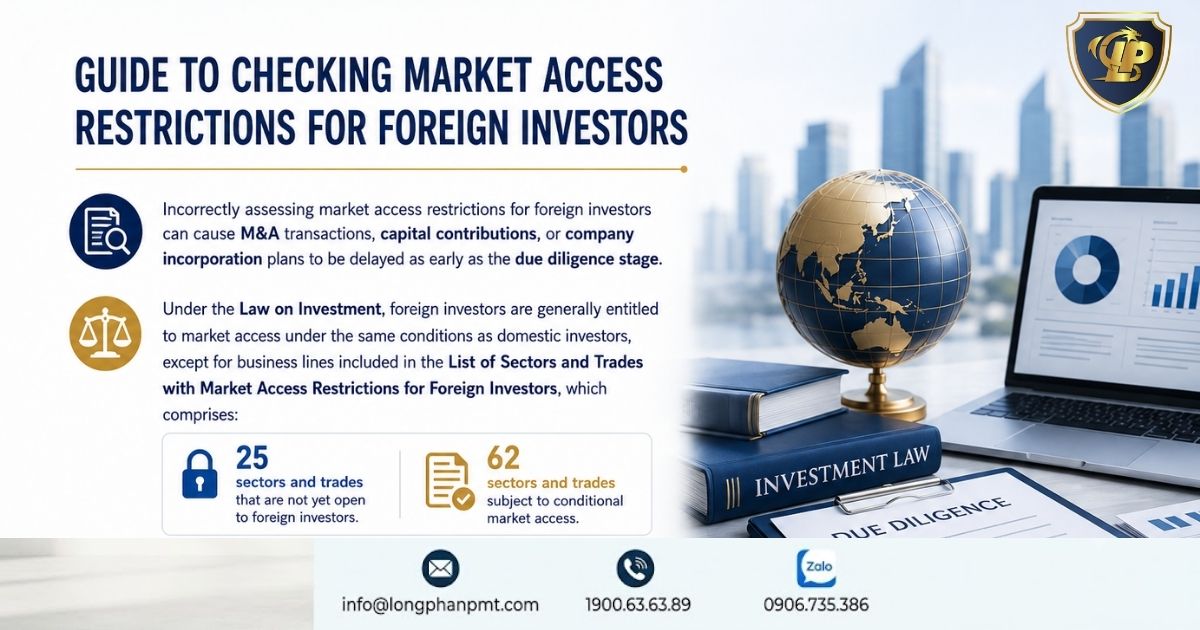
Market Access Conditions for Foreign Investors:
National Defense and Security Conditions:
Overseas Vietnamese are considered foreign investors under Vietnamese law. They must complete investment registration procedures. The competent investment registration agency will review and approve the capital contribution activity. The Overseas Vietnamese Investment process requires this step.
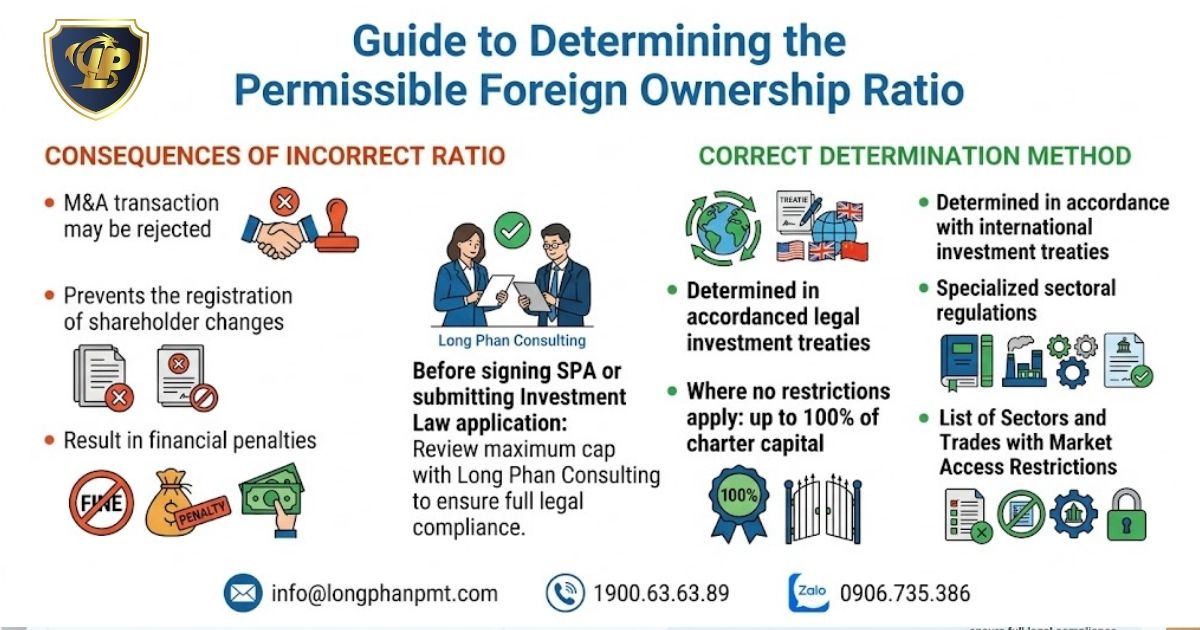
The capital ownership ratio for Overseas Vietnamese in Vietnamese enterprises is specified by business line. Some sectors limit foreign ownership to no more than 49%, 50%, or 65%. Understanding these regulations helps plan Overseas Vietnamese Investment aligned with financial capacity and business goals.
Note: If Overseas Vietnamese hold Vietnamese citizenship, they are considered domestic investors. They face no restrictions on capital ownership ratios, unless other foreign elements are involved. This is a key aspect of Overseas Vietnamese Investment.
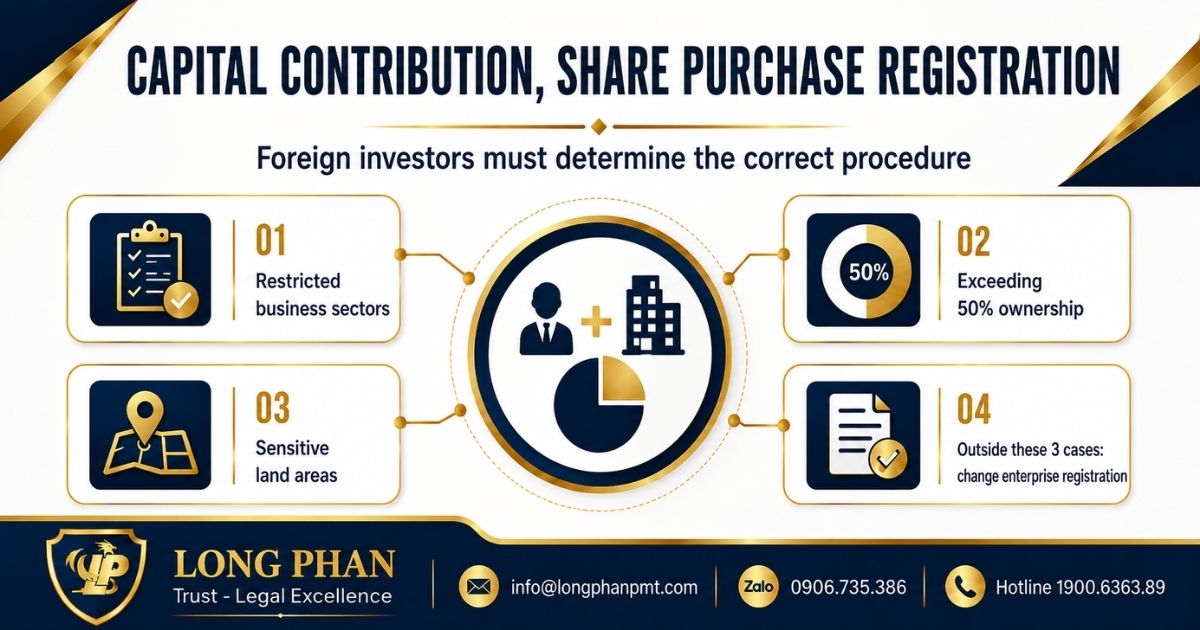
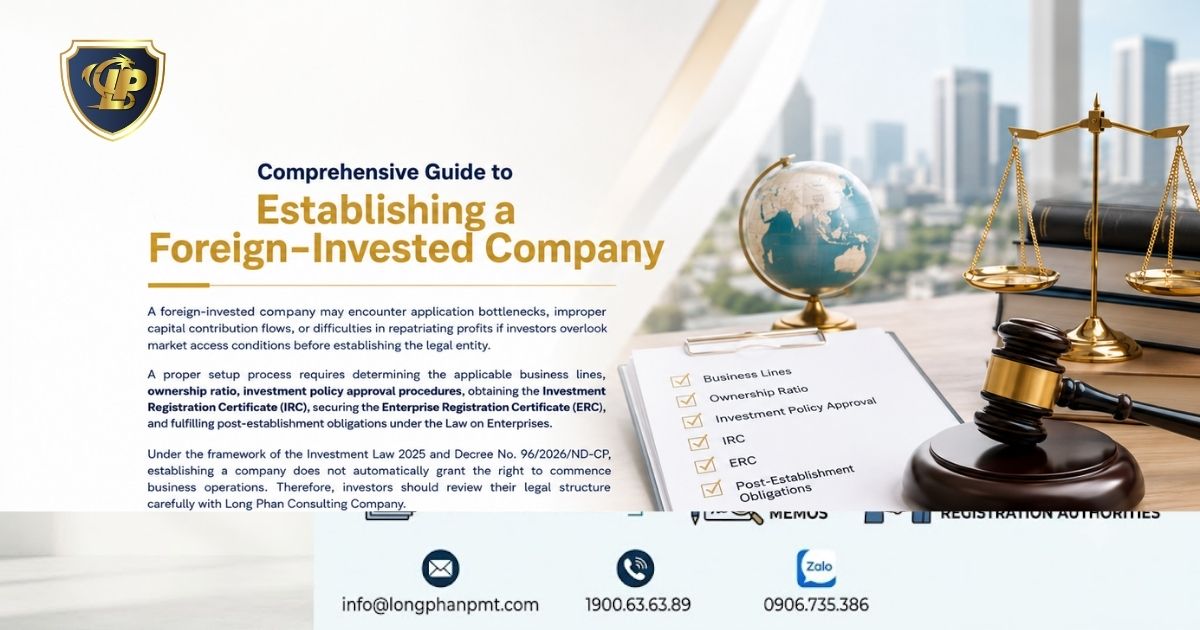
If the capital contribution increases foreign investors’ ownership to over 50% of charter capital, or if investing in conditional business lines, Overseas Vietnamese must register the capital contribution. This occurs at the Department of Planning and Investment (functions for this registration may now be handled by the Department of Finance) where the enterprise is headquartered, before signing the capital contribution contract. The specific process for Overseas Vietnamese Investment is:
Based on Point 3, Section 1 of Official Letter 8909/BKHĐT-PC, Overseas Vietnamese must submit a complete dossier to the investment registration agency (Department of Finance for these purposes) where the enterprise is headquartered. The registration dossier for capital contribution includes:
The Overseas Vietnamese investor prepares one dossier set for submission to the Department of Finance where the economic organization is headquartered. The investment registration agency has 15 days to review and notify the result with a written approval of the capital contribution, share purchase, or capital portion purchase. For enterprises with land in sensitive areas, this agency must consult the Ministry of Defense and Ministry of Public Security.
After receiving approval from the investment registration agency, the Overseas Vietnamese investor signs a formal contract with the enterprise. The contract must clearly state the transaction value, ownership ratio, and rights and obligations of the parties. The contract content must comply with laws on enterprises and investment. The Overseas Vietnamese Investment contract is crucial.
The capital contribution contract must adhere to content and form requirements under Article 398 of the Civil Code 2015. Basic contract content includes:
Contract signing must occur within the validity period of the approval document. The contract forms the legal basis for future rights and obligations related to the Overseas Vietnamese Investment.
If conditions in Article 24, Clause 2 of the Law on Investment are met, based on the investment registration agency’s approval, the enterprise receiving the Overseas Vietnamese Investment (capital contribution, share purchase, or capital portion purchase) undertakes procedures to change members or shareholders. This is done at the Business Registration Office of the Department of Finance where the enterprise is headquartered.
The dossier for changing members/shareholders includes:
The business registration agency will issue an amended Business Registration Certificate within 03 working days. The Overseas Vietnamese investor officially becomes a member or shareholder from the certificate issuance date. From this point, they have full rights and obligations under the law and the company charter resulting from their Overseas Vietnamese Investment.
Note: If an Overseas Vietnamese investor’s capital contribution increases the enterprise’s charter capital, the enterprise must also notify the change (increase) in charter capital. This procedure runs parallel to changing members/shareholders, as per Article 51 of Decree 01/2021/NĐ-CP.
>> See more at:

Overseas Vietnamese Investment in Vietnamese enterprises faces complex legal risks. Vietnam’s legal system changes frequently, creating business uncertainties. Additionally, understanding tax obligations, conditional business line regulations, and dispute risks is crucial for making appropriate investment decisions. Specifically:
Enterprises with Overseas Vietnamese Investment must fulfill tax obligations under Vietnamese law. Corporate income tax is currently 20%. Enterprises receiving capital contribution transfers from foreign investors do not pay this tax on the transfer itself.
If the enterprise transfers its capital contribution, it must pay corporate income tax as per Article 14, Clause 1 of Circular 78/2014/TT-BTC.
When Overseas Vietnamese investors contribute capital, they are liable for personal income tax on dividends and profits from their Overseas Vietnamese Investment, per Article 27 of the Law on Personal Income Tax 2007. Tax on investment income for non-resident individuals is 5% of the total amount received from investing in Vietnamese organizations/individuals.
Furthermore, Overseas Vietnamese investors must consider Value Added Tax (VAT) rates (0%, 5%, 8%, 10% depending on the sector) and other applicable taxes and fees for smooth business operations following their Overseas Vietnamese Investment.
Tax declaration and payment must be timely. Late payment can incur penalties and other sanctions. Professional tax accounting services are advisable to ensure full tax compliance.
Tax incentives may apply to certain investment projects. Overseas Vietnamese investors should research conditions for corporate income tax incentives. However, applying tax incentives often involves complex conditions and procedures.
>>> Reference: Comprehensive & Reputable Sub-License Registration Consulting Services.
Many business lines in Vietnam require sub-licenses or special practicing certificates. Enterprises with Overseas Vietnamese Investment must secure all necessary licenses before operating. Unlicensed operation can lead to administrative fines or criminal liability.
Common conditional business lines include:
Obtaining licenses often takes time and incurs costs. Plan thoroughly for licensing time and budget. Some sectors may require minimum charter capital or specialized personnel.
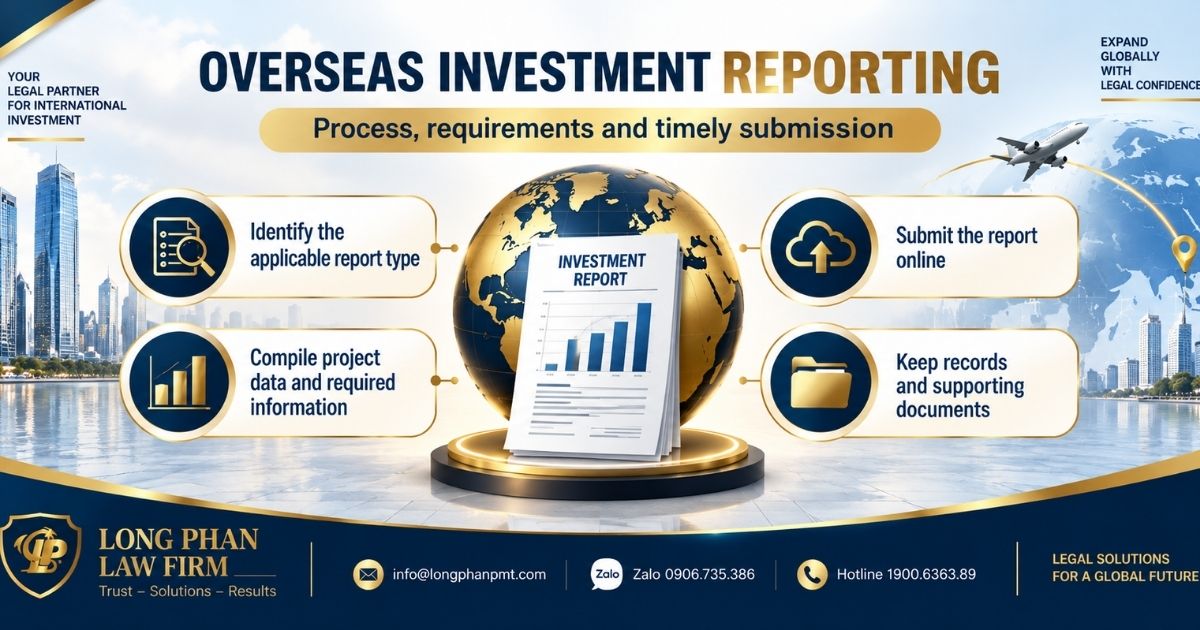
Enterprises in conditional business lines must report periodically to specialized management agencies (e.g., for securities, insurance, banking). Incorrect or late reporting can result in penalties. Each sector has different reporting requirements regarding content, format, and frequency.
Common reports include:
An effective reporting system helps businesses comply with legal regulations.
Vietnam’s business environment has legal system and enforcement shortcomings. During Overseas Vietnamese Investment and business operations, common disputes include contract disputes, labor disputes, and intellectual property disputes.
These disputes can be resolved under Article 30 of the Civil Procedure Code 2015 and through methods like negotiation, mediation, arbitration, or court (Article 54, Law on Protection of Consumer Rights 2023).
Specific common disputes:
Mitigate dispute risks by drafting robust contracts and obtaining professional liability insurance. Commercial arbitration is an effective and quick dispute resolution method. Building good relationships with local partners also helps minimize dispute risks.

Overseas Vietnamese Investment requires careful consideration of the governance system to protect investment rights. The governance structure must comply with Vietnamese law and ensure operational transparency. Enterprises need professional risk management, financial control, and brand protection systems.
Enterprises must establish a governance structure appropriate for their type (Members’ Council, Board of Directors, Board of Management, Supervisory Board, etc.). If the Overseas Vietnamese Investment is purely for profit from capital contribution, thoroughly review the enterprise’s governance structure and charter to protect rights and interests.
If Overseas Vietnamese investors participate in managing the Vietnamese enterprise, proactively designing the governance structure ensures legal compliance and is crucial for controlling business operations and protecting investor rights. This is a vital part of successful Overseas Vietnamese Investment.
Under the Law on Enterprises 2020, governance structures vary by enterprise type. Two models for Overseas Vietnamese Investment through capital contribution or share/capital portion purchase are Joint Stock Companies (JSC) and Limited Liability Companies (LLC) with two or more members:
Joint Stock Company – Transparent and Tightly Controlled Mechanism:
LLC with Two or More Members – Power Concentrated in Members’ Council:
Voting rights of Overseas Vietnamese investors are determined by their capital contribution ratio. Certain important decisions, like charter amendments or changes in charter capital, require specific shareholder approval thresholds. Understand these rights to protect interests related to Overseas Vietnamese Investment.
The company charter is a crucial document regulating operations. Overseas Vietnamese investors should participate in drafting or carefully review the charter, proposing amendments if necessary to protect their rights. Provisions on capital transfer, pre-emptive rights, and dispute resolution mechanisms need clear definition.
When Overseas Vietnamese investors contribute capital and manage enterprises in Vietnam, a key governance pillar is establishing clear human resource regulations compliant with Vietnamese labor law. This protects employees and helps investors control costs, productivity, and legal risks.
Under Article 119 of the Labor Code 2019, enterprises with 10 or more employees must register internal labor regulations with the provincial-level specialized labor agency where the enterprise is headquartered. Within 10 days of issuing labor regulations, the employer must submit the registration dossier.
According to Article 5 of Decree No. 44/2025/NĐ-CP (note: future-dated decree), labor management is regulated as:
As per Article 4 of Circular No. 003/2025/TT-BNV (note: future-dated circular, effective June 15, 2025), labor management, salary scales, and payrolls are implemented as:
Additionally, employer obligations to employees are specified in Article 6, Clause 2 of the Labor Code 2019 and Article 8, Clause 5 of the Law on Enterprises 2020:
Compensation policies should be transparent and fair. Adhering to regulations on working hours and leave helps avoid labor disputes. Investing in human resource training enhances labor productivity. This is important for Overseas Vietnamese Investment.
A positive corporate culture attracts and retains talent. A professional work environment with advancement opportunities supports sustainable development, crucial in a competitive high-quality labor market.
Overseas Vietnamese investors need a comprehensive risk management system to protect their Overseas Vietnamese Investment assets. Assess partner creditworthiness, set credit limits, and monitor receivables regularly. Diversifying partners reduces concentration risk.
Risk management measures:
Brand and intellectual property protection is vital in Vietnam. Register trademarks, copyrights, and patents early. Monitor the market for intellectual property infringements. Effective Overseas Vietnamese Investment considers these protections.
Effective marketing and PR strategies enhance brand reputation. Participating in industry associations and social organizations expands networks. This is significant in Vietnamese business culture, where personal relationships are important.
The financial accounting system must comply with Vietnamese Accounting Standards and legal regulations. Enterprises must organize accounting, auditing, and internal controls; comply with accounting, auditing, and financial reporting regulations; develop financial risk control processes; and adhere to professional ethics in accounting and auditing.
Financial accounting requirements may include:
Cash flow control is critical for business survival. Detailed financial planning and cash flow forecasting help businesses operate proactively. Establish financial warning indicators for timely corrective actions. Effective financial control is key for any Overseas Vietnamese Investment.
Diversifying capital sources reduces financial risk. Prudent use of financial leverage can enhance investment returns. However, carefully consider debt repayment capacity and the impact of interest rates on business results.
Long Phan Consulting Company offers professional legal consulting services for Overseas Vietnamese Investment in Vietnamese enterprises. With experienced experts in investment and enterprise law, we provide comprehensive support from initial consultation to completing legal procedures.
Long Phan Consulting Company‘s investment consulting services include:
With the motto “Give Trust – Receive Solutions” Long Phan Consulting Company commits to accompanying Overseas Vietnamese investors throughout the entire Overseas Vietnamese Investment process, from pre-investment to stable operation.
Before investing, many Overseas Vietnamese have important questions about rights, legal procedures, and limitations when contributing capital to enterprises in Vietnam. Below are common queries with concise answers.
Overseas Vietnamese holding Vietnamese nationality are considered domestic investors and are not subject to ownership ratio restrictions, unless other foreign elements are involved, such as using foreign capital sources or affiliations with foreign organizations.
The investment registration agency has 15 working days to review and grant approval. For enterprises with land in sensitive areas, this period may be longer due to consultations with the Ministry of Defense and Ministry of Public Security.
Yes, Overseas Vietnamese Investment can be made with assets like machinery, equipment, technology, or intellectual property rights. Contributed assets must be valued according to legal regulations and recorded in the capital contribution contract.
The Law on Enterprises 2020 does not specify a general minimum charter capital. However, some conditional business lines like finance, banking, and insurance have specific minimum capital requirements per sector.
Overseas Vietnamese can transfer their capital contribution as stipulated in the company charter and must respect the pre-emptive rights of other members/shareholders. Capital withdrawal must not adversely affect the enterprise’s normal operations. This is a key consideration for Overseas Vietnamese Investment.
Costs include registration fees (approx. VND 1-3 million), legal consulting service fees (VND 10-50 million depending on complexity), asset valuation costs (if any), and other incidental expenses like notarization and certification.
Overseas Vietnamese are entitled to investment incentives as per general regulations for foreign investors. These may include corporate income tax exemptions/reductions and import duty incentives for priority investment projects or projects in areas with difficult socio-economic conditions.
Overseas Vietnamese investors must carefully consider legal factors, risks, and opportunities when deciding on Overseas Vietnamese Investment in Vietnamese enterprises. Adhering to legal procedures and establishing an effective governance system are keys to success. Long Phan Consulting Company, with its experienced experts and professional consulting services, is ready to accompany you on your Overseas Vietnamese Investment journey in Vietnam. Contact hotline 1900.63.63.89 now for a free consultation.